


This content is for informational purposes only, not medical advice, and may include affiliate links. We may earn a commission at no extra cost to you. See our Disclaimer for details.
During the immediate postpartum period, your uterus undergoes a process called involution, shrinking from approximately 2.5 pounds to just 2 ounces within six weeks after delivery. This natural contraction, while significant, represents only one aspect of your abdominal recovery journey. Dr. Sarah Jenkins, OB-GYN and maternal health specialist, notes that “70% of new mothers experience diastasis recti, where abdominal muscles separate during pregnancy.” Understanding these physiological changes provides the foundation for implementing effective, evidence-based strategies to restore your core strength and function.
In a Nutshell
- Your postpartum belly naturally shrinks as your uterus returns to normal size over 6-8 weeks.
- Begin with gentle transverse abdominis exercises after receiving clearance from your healthcare provider.
- Focus on nutrient-dense whole foods rather than calorie restriction, especially if breastfeeding.
- Stay hydrated with 8-10 glasses of water daily to support metabolism and reduce bloating.
- Set realistic expectations—most women need 6-12 months to fully return to pre-pregnancy weight.
Understanding Your Postpartum Body Changes
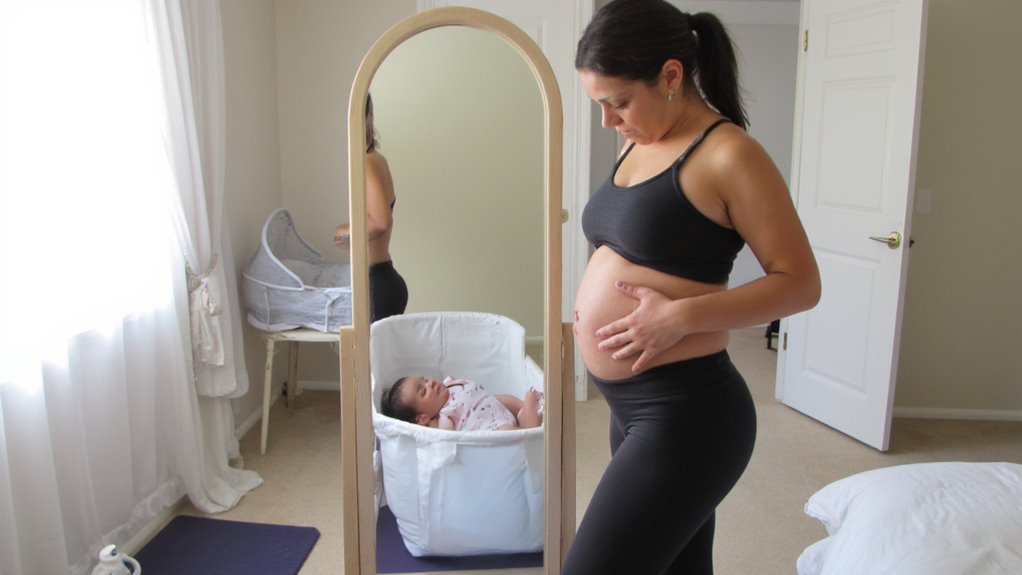
When you first gaze into the mirror after giving birth, you’ll likely notice your abdomen still resembles a six-month pregnancy, which is completely normal and expected in the postpartum period.
Your body has undergone considerable hormonal changes that affect how quickly your postpartum belly shrinks. The uterus typically requires 6-8 weeks to contract to pre-pregnancy size, while abdominal muscles and connective tissue need time to recover.
Postpartum healing follows your body’s timeline, not society’s expectations for belly recovery.
Diastasis recti, the separation of stomach muscles during pregnancy, affects 60% of women during postnatal periods.
As Dr. Simmons explains, “Weight gain distribution varies notably among new mothers, requiring individualized approaches to postpartum recovery exercises rather than one-size-fits-all solutions.”
Setting Realistic Expectations for Recovery
Unlike celebrity “bounce back” stories that flood social media, your postpartum recovery journey deserves realistic benchmarks grounded in physiological facts rather than cultural pressures.
Most women lose up to 20 pounds within the first month through fluid loss, but complete abdominal reshaping requires patience. Your uterus contracts to pre-pregnancy size within 6-8 weeks postpartum, gradually improving your abdominal shape.
While breastfeeding burns 400-500 additional calories daily, sustainable weight loss comes from balanced nutrition rather than restrictive dieting.
Dr. Johnson emphasizes, “Postnatal recovery varies greatly between individuals, with most women requiring 6-12 months to approach their pre-pregnancy weight.”
Welcome these realistic expectations for your physical restoration.
Nutrition Strategies for Healthy Weight Loss
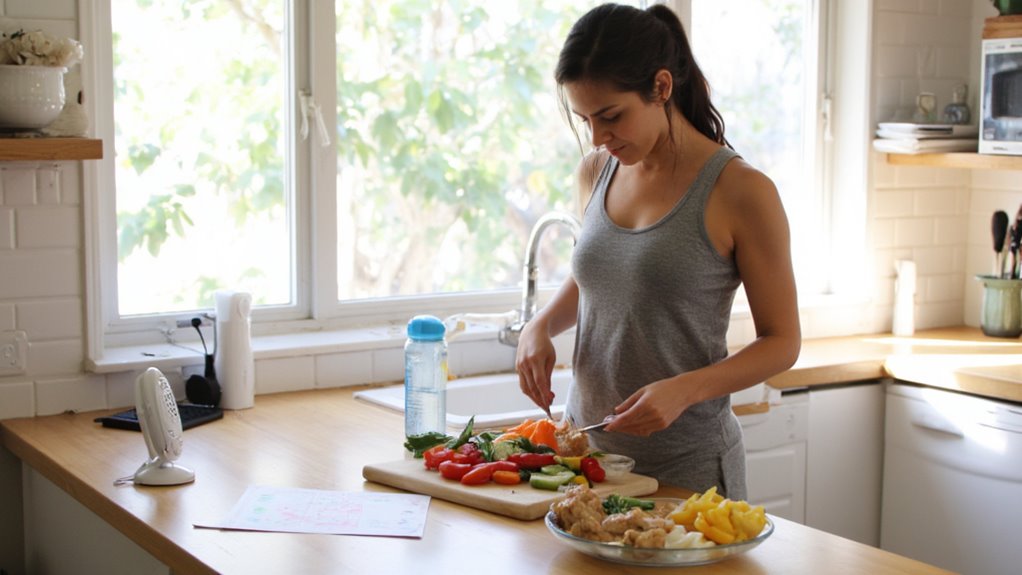
Fueling your postpartum body requires strategic nutrition that balances your recovery needs with gradual weight loss goals. Research indicates that breastfeeding mothers need approximately 400-500 additional calories daily while pursuing healthy weight reduction during the postpartum period.
Nourish your recovering body strategically while breastfeeding, balancing essential nutrition with gentle weight loss progress.
Your nutrition strategies should emphasize whole foods that support both maternal recovery and infant development.
- Prioritize a balanced diet rich in fruits, vegetables, lean proteins, and whole grains
- Practice portion control by consuming smaller, nutrient-dense meals throughout the day
- Maintain proper hydration (8-10 glasses daily) to reduce cravings and support milk production
- Limit processed foods and added sugars, which can impede abdominal recovery
Safe Exercises to Strengthen Your Core
Rebuilding your core after pregnancy requires patience and proper technique to ensure safe, effective recovery of your abdominal muscles.
Begin with gentle transverse abdominis exercises, such as deep breathing and pelvic tilts, which activate your innermost abdominal layer without straining weakened tissues.
After your postnatal check confirms you’re ready, incorporate light activities like walking 2-3 times weekly, gradually progressing to more targeted core exercises.
Monitor for diastasis recti through self-assessment, as this abdominal separation requires specialized attention.
“Pelvic floor exercises are fundamental to postpartum recovery, supporting bladder muscle control while creating a foundation for core strength,” explains maternal health specialists.
Avoid high-intensity movements that could compromise your healing process.
Managing Diastasis Recti and Abdominal Separation
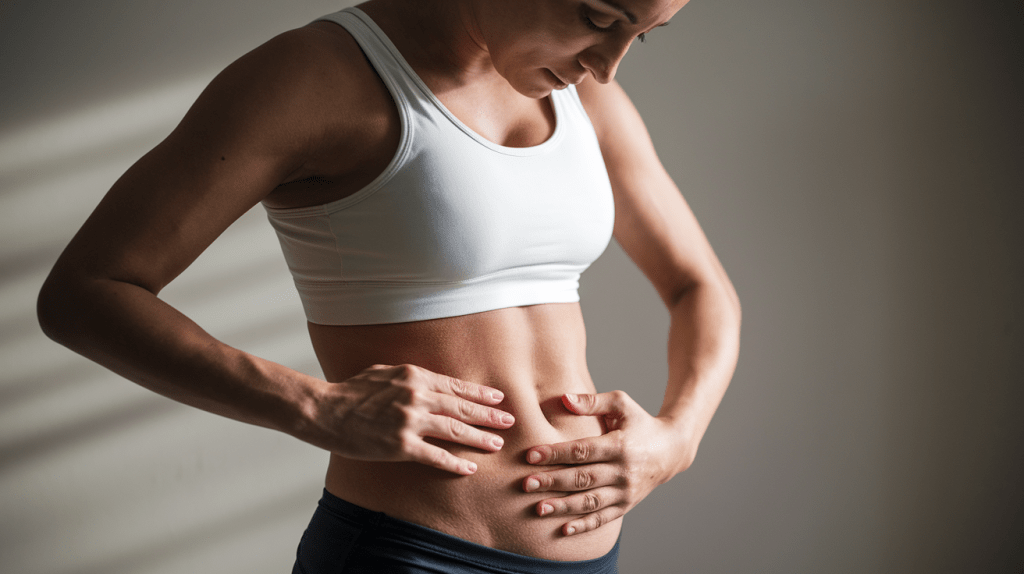
Many women encounter a persistent gap between their abdominal muscles after pregnancy, a condition known as diastasis recti that affects approximately 60% of postpartum mothers.
While this separation of the rectus abdominis typically resolves within eight weeks, some experience prolonged abdominal separation requiring specialized intervention.
To effectively rehabilitate your core strength during postnatal periods, consider these essential approaches:
- Perform a self-check by lying supine with bent knees, feeling for gaps above or below the navel
- Consult a women’s health physiotherapist for targeted exercises specific to your separation
- Avoid exercises that increase intra-abdominal pressure, which may worsen the condition
- Address back pain through proper posture and specialized core strengthening techniques
Self-Care Practices for Physical and Mental Healing
While addressing abdominal separation represents one part of physical healing, complete postpartum recovery encompasses both body and mind. Self-care isn’t optional during this critical period; it’s essential for your overall recovery.
“Prioritize rest whenever possible, as sleep deprivation greatly impairs healing processes,” explains Dr. Sarah Chen, maternal health specialist. Incorporate gentle exercises like walking and pelvic floor work to rebuild physical strength gradually.
Rest is not self-indulgent—it’s a critical component of your healing journey that no exercise regimen can replace.
Consume a balanced diet rich in protein, iron, and calcium to support tissue repair.
Mindfulness practices—even five minutes daily—can dramatically enhance emotional resilience while reducing postpartum anxiety.
Don’t hesitate to seek professional support; connecting with others experiencing similar challenges validates your journey toward complete physical and mental healing.
Frequent Questions and Answers on How to Shrink Stomach After Baby
How Do I Tighten My Stomach After Having a Baby?
Start gentle core exercises after doctor’s clearance. Establish postpartum workouts with hydration, mindful eating, and nutrition tips. Join support groups, enjoy healthy snacks, and adopt body positivity during your recovery timeline.
How Can I Slim My Stomach After Giving Birth?
Slim your postpartum tummy by combining healthy nutrition with gradual exercise routines. Stay hydrated, practice gentle abdominal exercises, and welcome breastfeeding benefits. Don’t forget stress management, quality sleep, and body positivity throughout your journey.
How Can I Shrink My Postpartum Belly?
Feeling stretched? Your postpartum diet, core strengthening, and pelvic floor exercises work together. Stay hydrated, wear supportive garments, and adopt gradual weight loss with realistic expectations. Exercise routines plus self-care for mental wellness!
Does Postpartum Saggy Belly Go Away?
Yes, your postpartum saggy belly typically improves with time, body-positive self-care routines, belly-tightening exercises, and proper nutrition. Supportive garments and abdominal massage can enhance your motherhood journey toward long-term recovery goals.