
This content is for informational purposes only, not medical advice, and may include affiliate links. We may earn a commission at no extra cost to you. See our Disclaimer for details.
Contrary to popular belief, reducing belly fat doesn’t require extreme calorie restriction or fad diets that leave you constantly hungry. You’ve likely tried multiple approaches, experiencing the frustration of temporary results followed by disappointing rebounds. What you need instead is a metabolically-optimized strategy that addresses the specific mechanisms of visceral fat accumulation, particularly the role of insulin sensitivity, cortisol regulation, and adiponectin production—factors that researchers at Harvard Medical School have linked directly to abdominal obesity. The comprehensive approach revealed in the following sections explains why your body might be resistant to conventional methods.
In a Nutshell
- Focus on whole foods like fruits, vegetables, lean proteins, and healthy fats to feel full while reducing caloric intake.
- Incorporate compound strength exercises 2-3 times weekly to boost metabolism and preserve muscle during fat loss.
- Practice mindful eating by using smaller plates, eating slowly, and eliminating distractions during meals.
- Prioritize 7-9 hours of quality sleep to regulate hunger hormones and reduce stress-related belly fat accumulation.
- Replace refined carbs with fiber-rich whole grains and drink water before meals to increase satiety and reduce overeating.
Understanding the Three Types of Belly Fat
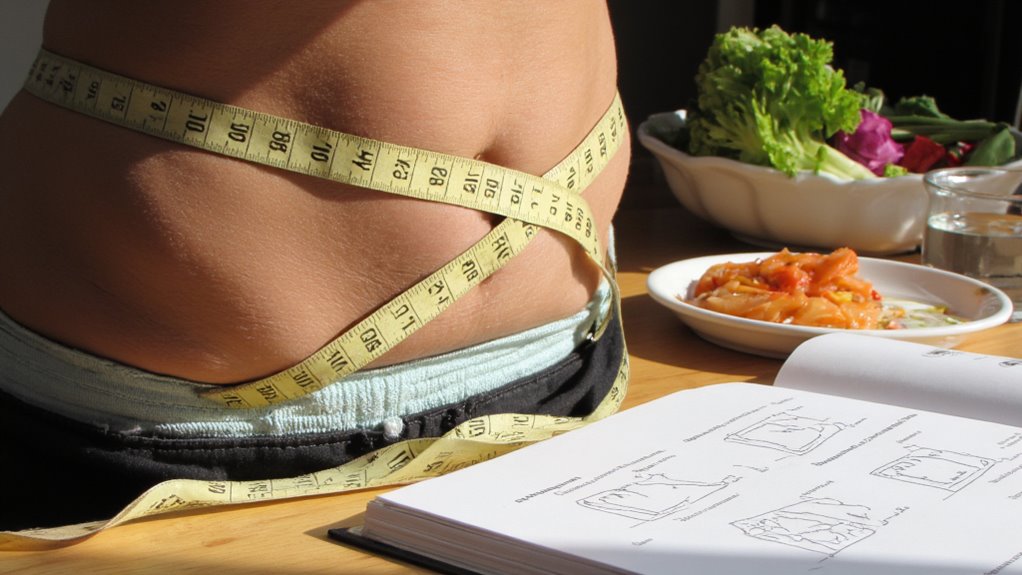
Confusion often surrounds the topic of belly fat, as most people don’t realize it exists in distinct varieties with different health implications.
Your body stores fat in three primary ways: subcutaneous fat, which sits just beneath your skin and can be pinched; visceral fat, which nestles deeply around your essential organs; and intramuscular fat, which resides within your skeletal muscles.
While subcutaneous fat impacts your appearance and body weight, visceral fat poses the greatest danger, directly contributing to serious health issues like heart disease and diabetes.
Effective weight loss strategies should prioritize reducing visceral fat, as “targeting this metabolically active tissue yields the most significant improvements in health outcomes,” explains Dr. Thompson.
Visceral fat is particularly resistant to loss because it acts as an active endocrine organ, influencing hormones and metabolism.
The Myth of the “One Trick” Solution
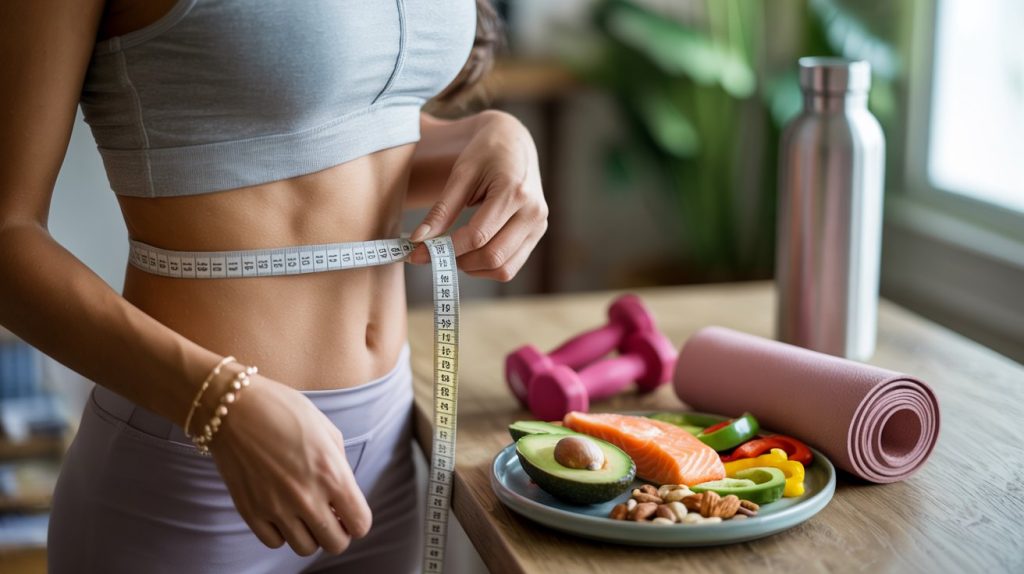
While understanding the different types of belly fat represents a critical foundation for weight loss efforts, you’ll inevitably encounter the seductive promise of “one simple trick” to melt away your midsection.
Beneath the science of belly fat lies a harsh truth: weight loss marketing thrives on your desire for simple solutions.
These marketing tactics distract you from what research consistently demonstrates is necessary for effective weight loss.
To reduce belly fat sustainably, you’ll need:
- Balanced dietary changes focusing on whole foods, lean proteins, and fiber
- Regular exercise combining cardiovascular workouts with strength training
- Consistent lifestyle modifications including stress management and adequate sleep
- Patient commitment to overall healthy weight management rather than quick-fix solutions
Incorporating healthy fats and omega-3 fatty acids can combat inflammation linked to belly fat, making them important components of a comprehensive approach to reducing visceral fat.
Successful belly fat reduction requires embracing this multifaceted approach instead of searching for magical shortcuts.
1. Mediterranean Diet: Your Ally Against Visceral Fat
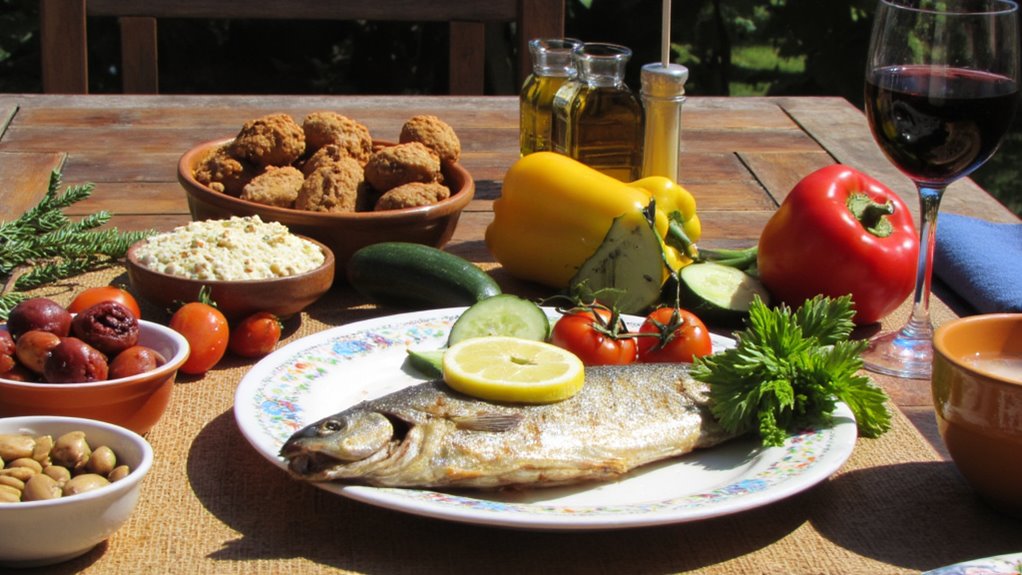
When researchers examine the most effective dietary approaches for targeting stubborn visceral fat, the Mediterranean diet consistently appears as a powerhouse option backed by compelling scientific evidence.
Studies show this eating pattern, rich in MUFAs from olive oil, avocados, and nuts, considerably reduces waist circumference compared to low-fat alternatives. You’ll benefit from the Mediterranean diet’s emphasis on whole foods—fruits, vegetables, whole grains, and lean proteins—which regulate appetite while promoting healthy weight maintenance.
Regular consumption of omega-3-rich fish decreases inflammatory markers associated with visceral fat accumulation.
Beyond weight management, this sustainable approach reduces heart disease risk and improves metabolic health, making it a scientifically sound strategy for long-term body composition improvement.
Incorporating probiotic-rich foods like yogurt can enhance gut health, which is crucial for reducing belly fat and improving overall digestive health.
2. Protein Timing: Strategic Consumption Throughout the Day

Strategic distribution of protein throughout your day may greatly impact your body’s fat-storing processes, especially around the abdominal area.
Research indicates that consuming 20-30 grams of protein at each meal optimizes muscle protein synthesis while promoting fat loss. Start your morning with a protein-rich breakfast to reduce hunger hormones and curtail calorie intake for the entire day.
Space protein consumption evenly across meals to maintain metabolic efficiency and support muscle maintenance. Include protein-rich snacks between meals to stabilize blood sugar and reduce cravings.
Aim for up to 1.6g of protein per kilogram of body weight daily to preserve lean muscle during weight management.
Breastfeeding can burn an additional 300-500 calories each day, which can aid in reducing belly fat postpartum.
3. The Power of Mindful Eating and Portion Control

In spite of its simplicity, mindful eating represents one of the most powerful yet underutilized strategies for reducing belly fat without changing what you eat, but rather how you eat.
By cultivating awareness of your hunger cues and fullness signals, you’ll naturally regulate calorie intake without feeling deprived. A higher metabolic rate may burn calories, but sweat alone does not eliminate fat.
| Strategy | Benefit |
|---|---|
| Smaller plates | Tricks brain into perceiving larger portions |
| Eating slowly | Enhances fullness signals, reduces overeating |
| Measuring food servings | Develops proper portion awareness |
| Eliminating distractions | Increases meal satisfaction, reduces consumption |
“Portion control isn’t about restriction—it’s about recalibrating your relationship with food,” notes Dr. Susan Mitchell, nutrition researcher at Harvard.
4. Fiber-Rich Foods for Enhanced Satiety
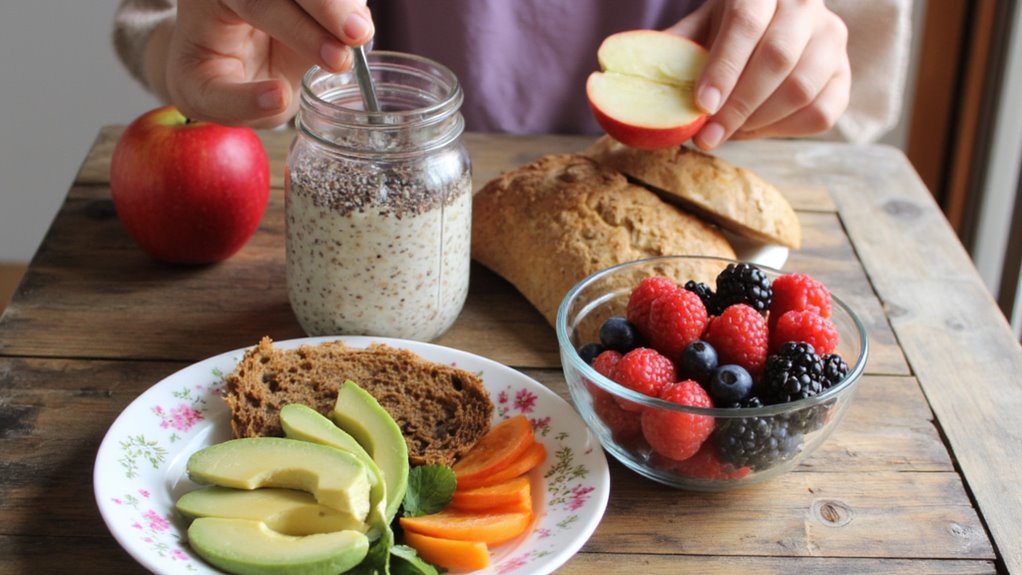
Fiber stands as a powerful yet often overlooked ally in your battle against stubborn belly fat. When you consume fiber-rich foods, the viscous fiber slows stomach emptying, creating prolonged satiety that naturally regulates your appetite without deprivation.
Adults need 28-34 grams daily for peak digestive health and weight management. Incorporate these whole food powerhouses to reduce belly fat:
1. Legumes (beans, lentils) containing soluble fiber that forms a gel-like substance, slowing digestion
2. Whole grains (oats, barley) providing sustained energy without blood sugar spikes
3. Vegetables (broccoli, Brussels sprouts) delivering fiber with minimal calories
4. Fruits (berries, apples) offering natural sweetness while improving dietary quality.
Additionally, integrating yoga poses for core strengthening can further enhance the reduction of belly fat as they engage and activate the core muscles, increasing metabolic rate.
5. Hydration’s Role in Fat Metabolism

While many fitness enthusiasts focus exclusively on exercise and diet, proper hydration serves as a fundamental, yet frequently overlooked catalyst for effective fat metabolism.
Your body’s ability to burn fat depends greatly on water intake, as dehydration can reduce metabolic efficiency by up to 3%. When you drink 16-20 ounces of water before meals, you’ll experience increased fullness, naturally reducing calorie intake.
Proper hydration fuels your fat-burning engine while naturally curbing excess calorie consumption.
Research indicates that proper hydration regulates leptin and ghrelin, your critical hunger hormones that control appetite.
Replace sugary beverages with water and incorporate hydrating foods like cucumbers and watermelon, which, as stated by Dr. Melina Jampolis, “provide the dual benefit of hydration and essential nutrients for the best fat metabolism.”
6. Strength Training to Preserve Muscle While Losing Fat

Contrary to popular belief that focuses primarily on cardio for fat loss, strength training stands as an essential cornerstone in any effective belly fat reduction strategy. When in a caloric deficit, your body will burn both fat and muscle, but resistance training preserves that valuable muscle mass while enhancing your hormonal responses to target abdominal fat specifically. Implement these evidence-backed strategies to transform your body composition:
- Train with weights 2-3 times weekly to maintain up to 90% of your muscle during weight loss.
- Incorporate compound movements like squats and deadlifts for maximum hormonal effect.
- Commit just 30 minutes twice weekly to reduce abdominal fat by nearly 5% annually.
- Focus on progressive overload to continuously challenge your muscles and metabolism.
Additionally, incorporating resistance bands in your routine can significantly increase core activation due to the variable tension they provide, enhancing both strength and stability.
7. Sleep Quality: The Overlooked Weight Management Tool

Most experts overlook sleep quality as a critical factor in the battle against stubborn belly fat, despite overwhelming scientific evidence of its importance.
Sleep isn’t just for rest—it’s a scientifically proven cornerstone in eliminating stubborn belly fat that most experts ignore.
When you’re sleep-deprived (less than 7 hours nightly), your appetite hormones become dysregulated—leptin decreases while ghrelin increases—leading to heightened cravings and excess calorie consumption.
Research confirms that poor sleep directly correlates with increased weight gain, particularly around your abdomen.
To utilize sleep for weight management, establish a consistent sleep schedule and create a restful environment that supports 7-9 hours of quality rest.
This simple adjustment can greatly improve your body composition while reducing those stubborn fat deposits.
8. Managing Stress to Control Cortisol-Related Weight Gain

Why does stress make it so difficult to lose stubborn belly fat? The answer lies in cortisol, your body’s primary stress hormone, which triggers increased appetite, cravings for calorie-dense foods, and visceral fat accumulation specifically around your midsection.
Hormonal fluctuations during midlife can disrupt sleep patterns, which significantly impacts hunger-regulating hormones and complicates weight management. To combat cortisol-related weight gain:
- Incorporate 30 minutes of daily physical activity through combined aerobic and strength training.
- Practice mindfulness techniques like meditation or yoga for 10-15 minutes daily.
- Prioritize 7-9 hours of quality sleep, avoiding electronics before bedtime.
- Implement controlled breathing exercises during high-stress moments (inhale for 4, hold for 7, exhale for 8).
9. Smart Carb Choices for Sustainable Energy
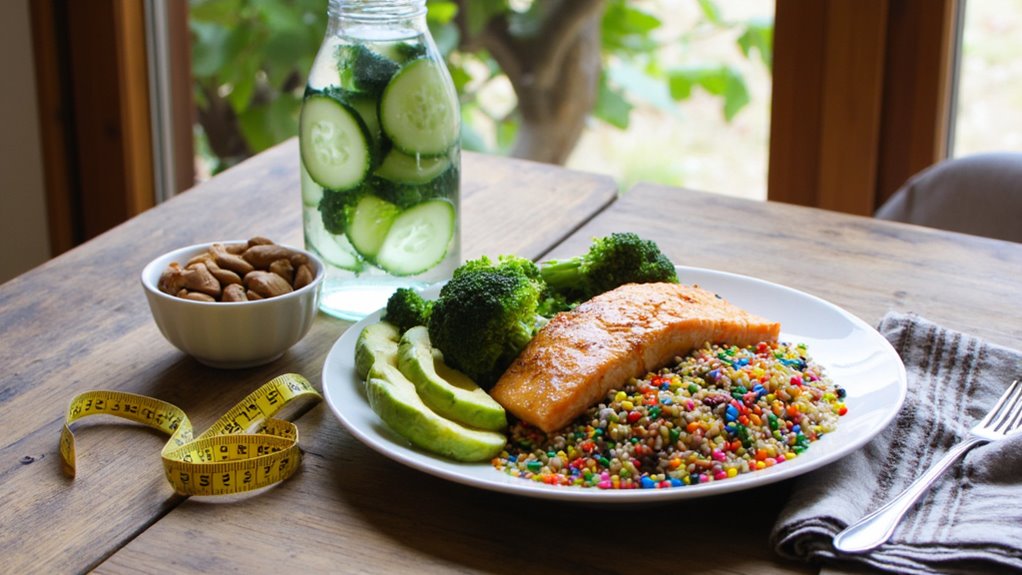
While managing your cortisol levels creates a foundation for belly fat reduction, your dietary choices—particularly carbohydrates—play an equally significant role in your weight loss journey.
Smart carb choices provide sustainable energy without triggering fat storage mechanisms. Replace refined grains with whole grains to increase fiber intake, which enhances satiety while reducing overall calorie consumption.
Incorporate protein-rich legumes that stabilize blood sugar levels and prevent cravings. Select low-glycemic index carbohydrates like sweet potatoes that won’t cause insulin spikes.
“The volumetric effect of fruits and vegetables allows for appetite control without caloric excess,” explains Dr. Melissa Richards, nutrition researcher.
Balance your carbohydrates with protein and healthy fats for peak metabolic function.
Adding apple cider vinegar to your routine can further support weight loss by enhancing insulin sensitivity and appetite suppression.
10. Building Consistency Through Meal Planning

Transforming your belly fat reduction efforts from sporadic attempts to consistent progress requires a structured approach to everyday nutrition, which is where meal planning becomes your most powerful ally.
Research demonstrates that individuals who implement regular meal planning consume fewer calories without experiencing the deprivation that often derails weight management progress. Incorporating soluble fiber intake from fruits and legumes into your meal plans can help reduce abdominal fat by 3.7% over five years with a 10g daily increase.
Your meal planning roadmap should include:
- Weekly grocery shopping with a nutrient-dense foods list
- Portion-controlled meal preparation in advance
- Balanced meals featuring lean proteins, whole grains, and colorful vegetables
- Strategic snack options that promote satiety between meals
“Meal planning creates a framework for long-term weight loss success by removing daily decision fatigue,” explains nutritionist Dr. Katherine Reynolds.
11. Non-Exercise Physical Activity: Moving Beyond Workout Sessions

Even beyond structured workout sessions, you’ll find that regular daily movement greatly contributes to your belly fat reduction goals.
Non-exercise physical activity (NEPA) encompasses everyday movements like fidgeting, household chores, and walking around your home, potentially burning an additional 100-300 calories daily.
Research indicates that incorporating movement into daily routines—standing while working, taking stairs instead of elevators—enhances metabolic health and cardiovascular function while improving energy balance.
“These seemingly minor activities greatly impact weight management when performed consistently,” notes leading research.
NEPA also elevates mood and reduces stress, addressing psychological factors that affect belly fat accumulation and overall well-being.
Frequent Questions and Answers on Reduce Belly Fat Without Starving
How Can I Shrink My Stomach Without Starving?
Control portions through mindful eating, prioritize fiber-rich foods, stay hydrated, and exercise regularly. Enjoy healthy snacks, low-calorie options, and balanced meals while managing stress and timing your eating wisely.
What Burns the Most Belly Fat?
Studies show HIIT burns up to 30% more calories than steady-state exercise. You’ll maximize belly fat loss by combining high intensity workouts, strength training, cardio exercises, and supporting it with sleep quality and stress management.
What Is the Fastest Way to Lose Belly Fat Without Dieting?
You’ll shed belly fat fastest through interval training, resistance work, and boosting metabolism. Stay hydrated, control portions, eat mindfully with fiber-rich snacks, and don’t underestimate quality sleep and stress management techniques.
What Is the No. 1 Way to Lose Belly Fat?
You’ll shed belly fat fastest through intermittent fasting combined with high intensity workouts. Stay hydrated, prioritize fiber-rich foods, manage stress, improve sleep quality, and control portions through smart meal planning.