

This content is for informational purposes only, not medical advice, and may include affiliate links. We may earn a commission at no extra cost to you. See our Disclaimer for details.
Looking for a flatter stomach isn’t just about appearance; it’s fundamentally linked to your metabolic health and inflammation levels. You’ll need more than just calorie counting—your body requires specific nutrient configurations that reduce bloating while supporting abdominal muscle definition. As stated by nutritionist Dr. Sarah Jenkins, “Strategic meal planning that focuses on anti-inflammatory foods can reduce visceral fat by up to 12% within eight weeks.” The science behind effective stomach-flattening nutrition involves complex hormonal interactions that most popular diets completely overlook.
In a Nutshell
- Increase soluble fiber from oats, beans and fruits to reduce visceral fat and enhance feelings of fullness.
- Incorporate protein-rich foods like egg whites and chicken to preserve muscle mass while burning fat.
- Include monounsaturated fats from avocados and olive oil to support metabolic health and reduce belly fat.
- Eat smaller, more frequent meals every 3-4 hours to stabilize blood sugar and enhance fat loss.
- Consume 2-3 liters of water daily alongside anti-inflammatory foods like fatty fish and green tea.
Understanding Belly Fat: Science Behind the Bulge
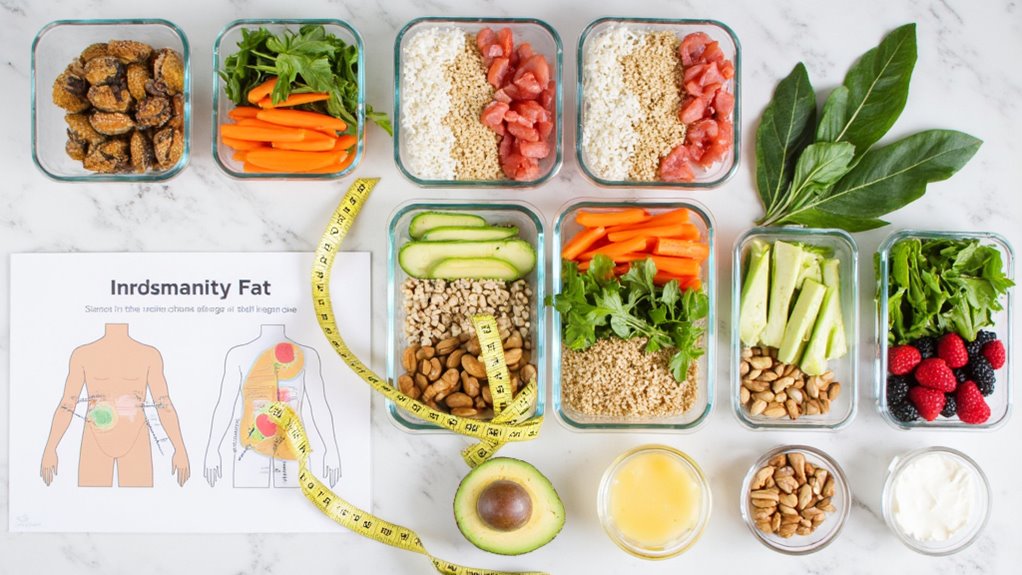
While many people chase flat abdomens for aesthetic reasons, understanding the science behind belly fat reveals why this pursuit matters far beyond appearance.
What you’re targeting, specifically visceral fat, acts as a metabolically active organ, releasing compounds linked to cardiovascular disease and diabetes.
“Visceral fat surrounds crucial organs and greatly increases mortality risk, particularly in older adults,” explains Dr. Sarah Thompson, endocrinologist.
Your strategy requires more than simple calorie reduction; it demands fiber-rich foods, consistent physical activity combining aerobic exercise with resistance training, stress management techniques, adequate sleep, healthy fats, and whole grains—all working synergistically to address this dangerous fat accumulation.
Essential Nutrients for a Flatter Stomach
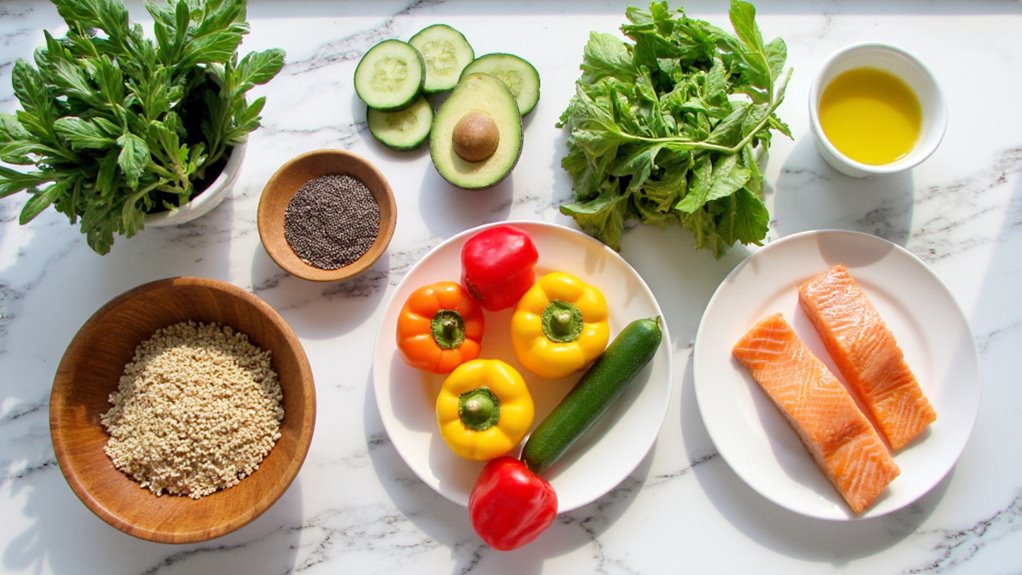
When addressing stubborn belly fat, identifying the right nutrients becomes your most powerful strategy for achieving lasting results.
The key to conquering stubborn belly fat lies in strategic nutrition, not short-term fixes.
Research demonstrates that specific compounds directly influence your body’s fat-storage mechanisms, particularly around the abdomen.
Your belly-flattening nutrition plan should prioritize:
- Soluble fiber from whole foods like oats and beans, which reduces visceral fat while enhancing satiety
- Monounsaturated fatty acids found in avocados and olive oil that support metabolic health
- High-quality protein sources that preserve lean muscle mass and improve body composition
- Probiotic-rich foods like yogurt that enhance gut health, complemented by proper hydration
These nutrients collectively create a caloric environment conducive to weight management and reduced abdominal fat.
7-Day Meal Plan for Reducing Abdominal Fat
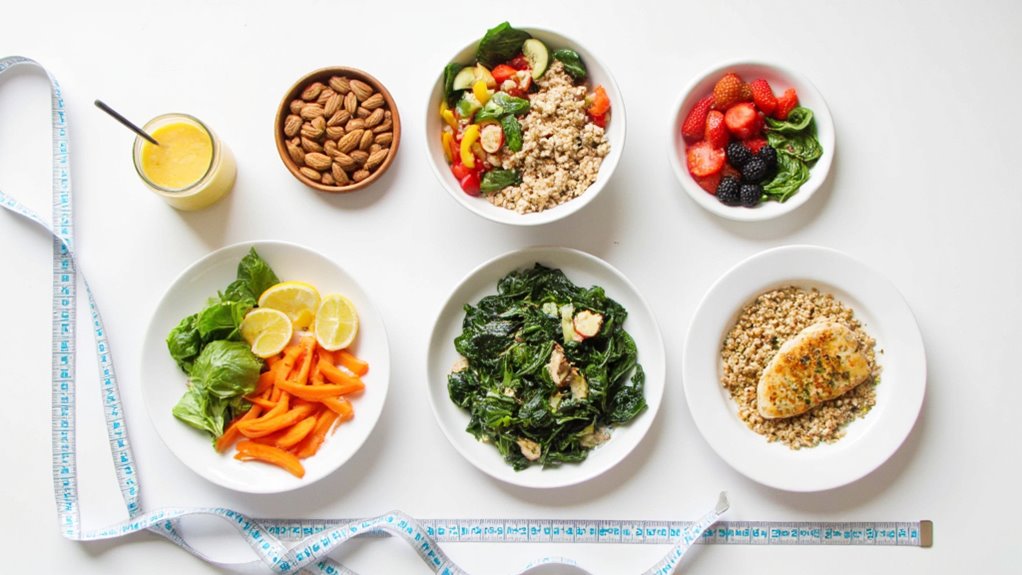
Applying nutrition theory to practice begins with a structured daily eating framework that targets abdominal fat specifically. Your daily routine should maintain approximately 1,200-1,500 calories per day, strategically distributed to optimize weight loss while preserving muscle mass.
| Meal Time | High-Protein Options | Complementary Components |
|---|---|---|
| Breakfast | Egg whites, Greek yogurt | Whole grains, berries |
| Lunch | Grilled chicken, tuna | Leafy greens, quinoa |
| Dinner | Lean beef, tofu | Vegetables, brown rice |
| Snacks | Cottage cheese, almonds | Fruits, vegetable sticks |
Incorporating monounsaturated fatty acids from avocados and olive oil will help reduce belly fat while maintaining satisfaction. “Consistent meal timing regulates metabolic processes essential for abdominal fat reduction,” notes nutritional research.
Portion Control and Meal Timing Strategies
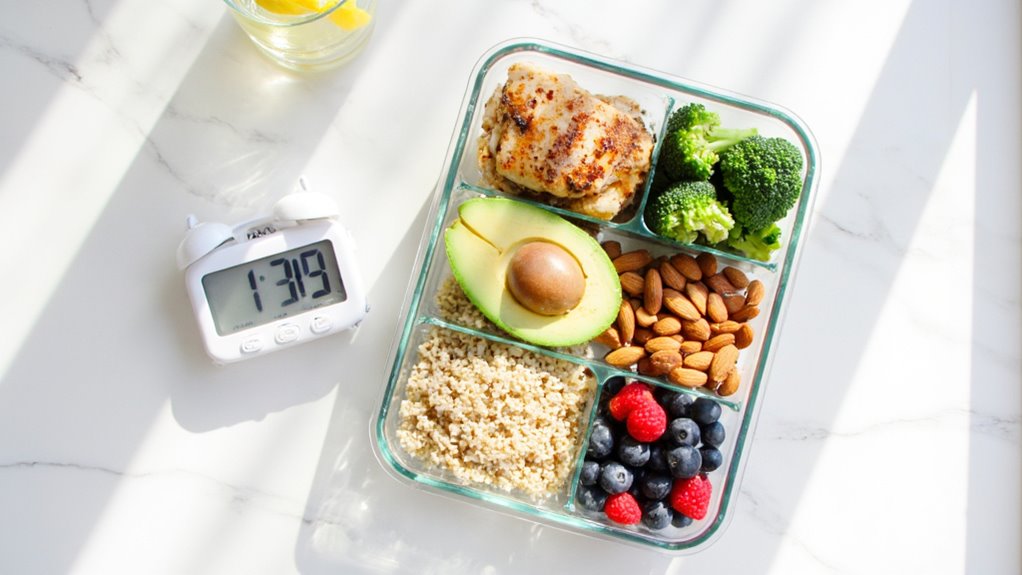
Because successful weight loss hinges on not just what you eat but how much and when, mastering portion control and meal timing strategies becomes fundamental to achieving a flatter stomach.
Research shows smaller plates naturally reduce calorie intake by 20-30%, supporting your weight loss journey.
- Establish an eating frequency of every 3-4 hours to maintain stable blood sugar levels
- Choose multiple small meals over fewer large ones, as studies link this pattern to improved fat loss
- Schedule your largest meals earlier in the day to optimize metabolism and reduce body fat accumulation
- Practice mindful eating by tuning into hunger cues, which enhances portion control and minimizes emotional eating
Hydration and Digestive Health for a Trimmer Waistline

Beyond controlling portions and timing your meals, proper hydration and digestive health form the cornerstone of any effective flat stomach regimen.
You’ll need to consume adequate water daily—approximately 2-3 liters—to support metabolic processes that combat bloating and facilitate digestion.
“Optimal gut health directly correlates with abdominal appearance,” explains Dr. Sarah Chen, gastroenterologist.
Incorporate water-rich foods like cucumbers and watermelon, which provide both hydration and fiber.
Don’t underestimate probiotics from fermented foods; they’re essential for maintaining gut health and reducing bloating.
Be sure to limit sugary beverages, which can counteract your flat stomach efforts by promoting water retention and digestive distress.
Anti-Inflammatory Foods to Combat Bloating
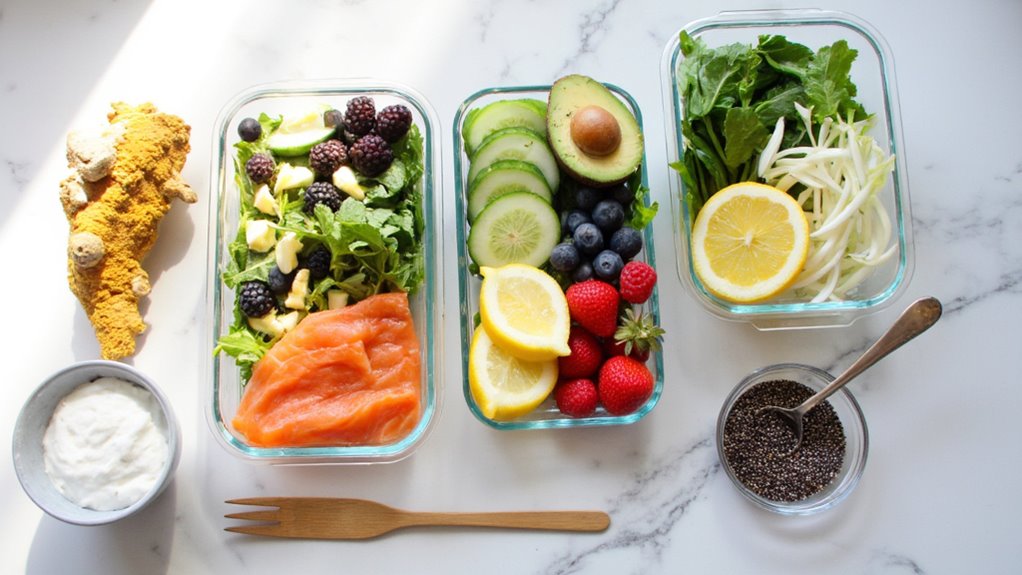
Inflammation within the digestive tract often manifests as uncomfortable bloating, creating that distended appearance many struggle to eliminate.
Combating this requires strategic incorporation of anti-inflammatory foods into your daily regimen. These nutrients work synergistically to reduce bloating and improve gut health while supporting healthy bowel movements.
- Consume fatty fish rich in omega-3 fatty acids (salmon, mackerel) twice weekly to mitigate inflammation.
- Include fiber-rich fruits, vegetables, and whole grains to facilitate proper digestion.
- Add fermented foods containing probiotics (yogurt, kefir, sauerkraut) to balance gut microbiota.
- Integrate green tea and turmeric into your diet to alleviate digestive discomfort through their potent anti-inflammatory properties.
Meal Prep Tips for Sustained Success
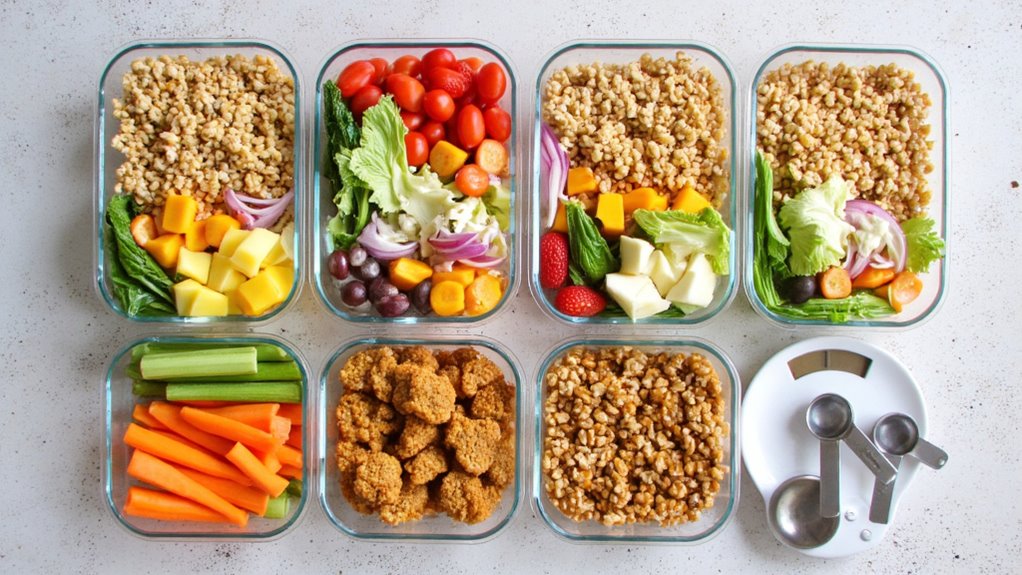
While anti-inflammatory ingredients address the biological causes of bloating, consistent implementation of these dietary choices requires thoughtful organization and preparation.
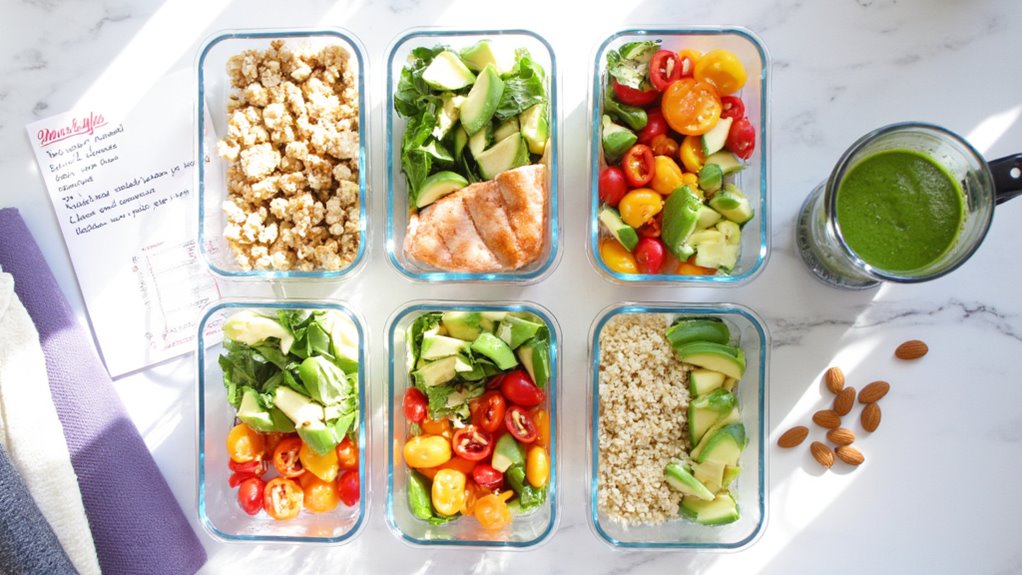
Batch-preparing nutrient-dense options like overnight oats or grain bowls markedly reduces weekly cooking time, enhancing adherence to your flat stomach meal plan.
Creating freezer-ready soups provides healthy meal options during hectic periods, preventing reliance on inflammatory convenience foods.
Pre-portioning fruits, nuts, and yogurt supports portion control, which Dr. Elizabeth Werner notes is “essential for maintaining the caloric deficit necessary for abdominal fat reduction.”
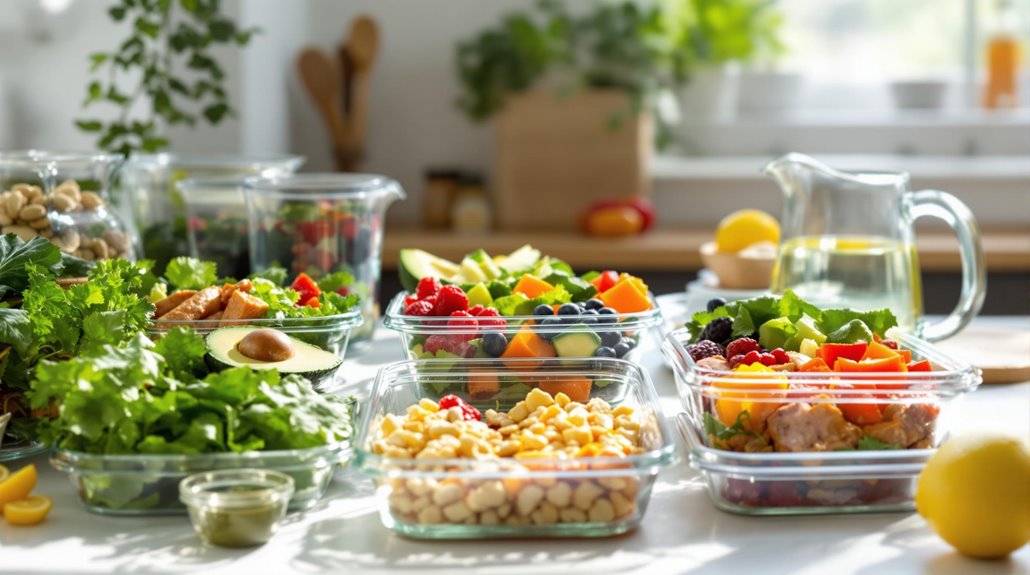
Consider implementing a flexible meal prep approach, adjusting ingredients based on your weight loss goals while maintaining nutrient density through strategically layered mason jar meals for maximum ingredient freshness.
Combining Diet With Exercise for Optimal Results
Although achieving a flat stomach requires thoughtful dietary choices, integrating targeted exercise alongside your nutrition plan dramatically accelerates results.
Research confirms that combining proper nutrition with physical activity specifically targets visceral fat, the dangerous type surrounding internal organs.
For maximum fat loss effectiveness:
- Perform 150-300 minutes of weekly cardio exercise, which burns calories while you consume whole grains, lean proteins, and healthy fats.
- Include resistance training twice weekly to preserve muscle mass during weight loss.
- Try HIIT workouts to boost your metabolic health long after exercising.
- Maintain consistency with both diet and exercise—this combination yields 20% greater belly fat reduction than diet alone.
Frequent Questions on Meal Plan for Flat Stomach
What Is a Good Meal Plan to Lose Belly Fat?
You’ll lose belly fat by focusing on portion control, nutrient-dense whole foods, and fiber benefits. Maintain hydration, practice mindful eating, prep low-sugar meals with consistent timing, and include healthy snacking options.
What Diet Is Best for a Flat Stomach?
You’ll achieve a flat stomach by prioritizing portion control, fiber intake, and healthy fats. Boost protein sources, practice mindful eating, choose smart snack choices, and integrate exercise. Stay hydrated and swap sugar for alternatives.
What Should I Eat to Reduce Belly?
To reduce belly fat, boost your fiber intake, manage hydration levels, practice portion control, and include probiotic foods. Try meal prepping, healthy snacks, better cooking methods, carb cycling, sugar substitutes, and stress management techniques.
What Food Burns the Most Belly Fat?
Sarah lost 15 pounds focusing on green tea, lean meats, and fiber-rich foods. You’ll boost metabolism with protein sources, avocado benefits, spicy foods, whole grains, Greek yogurt, nuts variety, and apple cider.