

This content is for informational purposes only, not medical advice, and may include affiliate links. We may earn a commission at no extra cost to you. See our Disclaimer for details.
Emma noticed her pants fitting differently at age 46, despite maintaining her usual diet and exercise routine. You’re likely experiencing similar changes as perimenopause approaches, when declining estrogen levels trigger fat redistribution from your hips to your abdomen. This shift isn’t merely cosmetic—visceral fat, which accumulates around your organs during this change, releases inflammatory compounds that greatly increase your risk of metabolic syndrome, heart disease, and type 2 diabetes by up to 40%, based on recent endocrinological research.
In a Nutshell
- Estrogen decline during perimenopause triggers fat redistribution from hips/thighs to abdomen, creating the “perimenopause pooch.”
- Increased visceral fat surrounding internal organs poses significant health risks, including higher cardiovascular disease and certain cancers.
- Combating perimenopausal belly fat requires reducing sugar, prioritizing protein, and consuming high-fiber foods to balance hormones.
- Regular strength training twice weekly helps preserve muscle mass and counteracts the natural 3-8% muscle loss per decade.
- Stress management techniques can reduce cortisol levels by 20%, helping minimize hormonal belly fat storage.
The Hormonal Shift: How Estrogen Decline Reshapes Your Body

As your body evolves into perimenopause, the gradual decline in estrogen production triggers a profound reorganization of how fat is stored throughout your body.
You’ll notice weight shifting from your hips and thighs to your abdomen, where visceral fat accumulates around crucial organs, posing significant health risks.
During this change, hormonal changes reduce your basal metabolic rate while simultaneously disrupting appetite-regulating hormones like leptin and ghrelin, which increases hunger signals.
“Women typically gain about 0.5 kg annually from their mid-40s due to these hormonal shifts,” explains Dr. Helen Mayer, endocrinologist.
This redistribution of body fat isn’t merely aesthetic—it’s your endocrine system’s response to diminishing estrogen levels.
Additionally, rising cortisol levels due to stress further contribute to abdominal fat storage, complicating weight management during this life stage.
Understanding Visceral Fat vs. Subcutaneous Fat
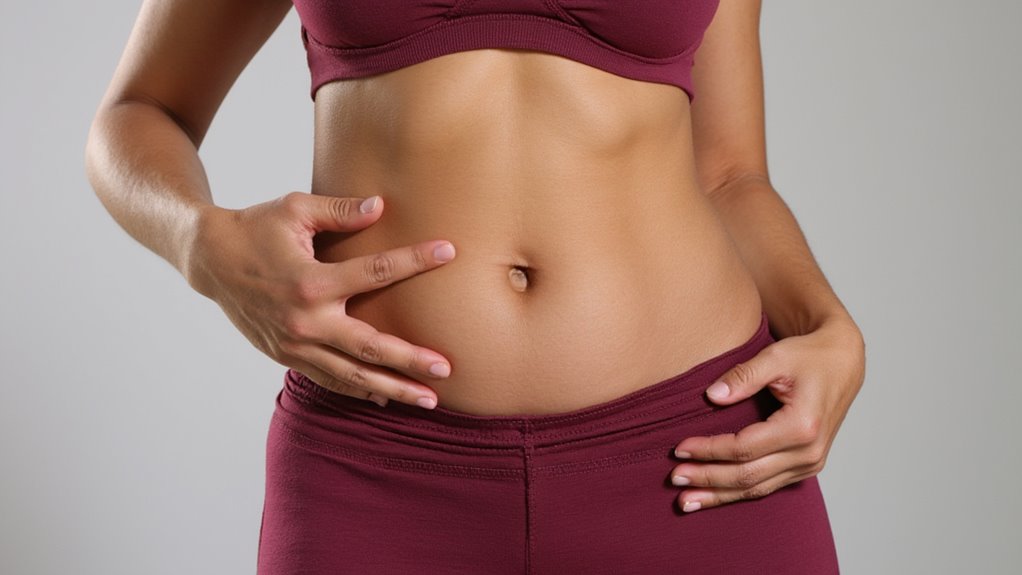
When examining the changes in your midsection during perimenopause, it’s crucial to distinguish between the two types of fat that contribute to belly expansion.
Visceral fat surrounds your internal organs, while subcutaneous fat lies just beneath your skin, creating that pinchable layer around your abdomen. As your estrogen levels decline during menopause, your body increasingly stores visceral fat, which poses significant health risks unlike its subcutaneous counterpart.
The silent danger of visceral fat accumulates as estrogen wanes, threatening your health in ways subcutaneous fat never could.
- Visceral fat is metabolically active tissue that releases inflammatory compounds
- A waist circumference exceeding 35 inches signals dangerous visceral fat accumulation
- Hormonal shifts during perimenopause redirect fat storage to your abdominal region
- Visceral fat increases your risk for heart disease, diabetes, and hypertension
- Unlike subcutaneous fat, visceral fat responds actively to comprehensive lifestyle interventions
- High stress levels elevate cortisol, which can further promote central fat storage.
The Hidden Health Risks of Perimenopause Belly Fat

The hidden threats lurking behind perimenopause belly fat extend far beyond cosmetic concerns, altering your midsection into a potential metabolic danger zone. When your waist measurement exceeds 35 inches, you’re facing considerably higher risks of cardiovascular disease, stroke, and premature mortality.
This visceral fat isn’t inert—it’s metabolically active tissue releasing inflammatory compounds that drive insulin resistance and metabolic dysfunction.
“The relationship between belly fat and disease risk is particularly pronounced during perimenopause,” explains Dr. Melissa Cohen, endocrinologist.
Moreover, this stubborn abdominal fat correlates with increased rates of breast and endometrial cancers, adding urgency to weight management during this shifting phase.
The composition of visceral fat, functioning as an active endocrine organ, makes it resistant to loss and a significant contributor to overall health risks during perimenopause.
Why Your Former Weight Loss Strategies May No Longer Work

Your cherished weight loss formulas from your thirties and forties may now seem frustratingly ineffective, leaving you perplexed about why those once-reliable strategies have lost their power.
During perimenopause and menopause, your body undergoes fundamental metabolic shifts that demand new approaches to weight management, particularly for stubborn abdominal fat.
- Declining estrogen levels directly alter how your body stores fat, redirecting deposits to your midsection.
- Age-related muscle mass loss decreases your basal metabolic rate by approximately 2-3% per decade.
- Elevated cortisol (stress hormone) promotes visceral fat accumulation around essential organs.
- Disrupted sleep patterns dysregulate hormones that regulate appetite, including leptin and ghrelin.
- Restrictive diets that once worked often fail to address the complex hormonal environment of perimenopause.
Additionally, insulin resistance can complicate weight loss during perimenopause, as it promotes fat storage and reduces sensitivity to metabolic hormones.
The Cortisol Connection: How Stress Fuels Midsection Weight Gain
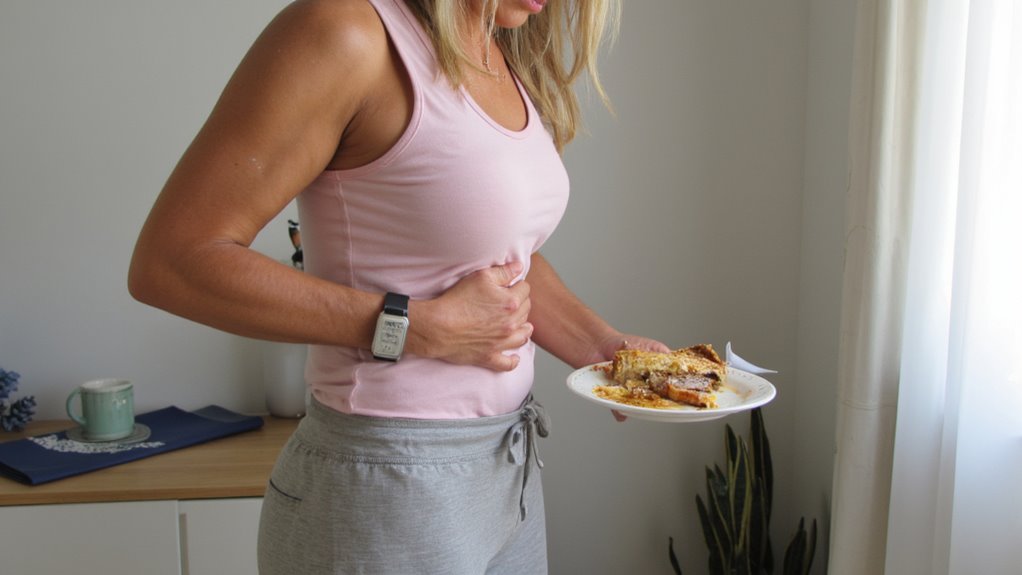
Living with chronically elevated cortisol levels considerably contributes to the perplexing shift in fat distribution many women experience during perimenopause.
When you’re under stress, your body releases cortisol that specifically targets abdominal receptors, creating stubborn belly fat that’s resistant to your previous weight management strategies.
Research confirms that this stress hormone actively promotes insulin resistance and inflammation, creating a perfect storm for midsection weight gain.
“Cortisol doesn’t just make you feel stressed—it literally reshapes where your body stores fat during perimenopause,” explains Dr. Sarah Gottfried, hormone specialist.
Consider incorporating stress-reduction techniques like meditation to lower cortisol’s impact on your changing body.
Sleep Disruption’s Impact on Hunger Hormones and Metabolism

While cortisol plays a significant role in perimenopausal weight distribution, disrupted sleep patterns create another powerful physiological cascade affecting your midsection.
Sleep disruption dramatically alters your hunger hormones, decreasing leptin (which signals fullness) while increasing ghrelin (which triggers appetite), setting the stage for weight gain.
- Poor sleep quality triggers cravings for calorie-dense, carbohydrate-rich foods
- Insufficient sleep reduces insulin sensitivity, hampering glucose utilization
- Disrupted sleep elevates cortisol levels, promoting abdominal fat storage
- Chronic sleep deprivation exacerbates hormonal fluctuations already present during perimenopause
- Getting 7-9 hours of quality sleep helps regulate appetite hormones and supports metabolic health
Additionally, quality sleep is linked to reducing stubborn belly fat by normalizing stress hormone production, which can help decrease abdominal fat.
Nutrition Strategies Specifically for Perimenopausal Belly Fat

As hormone levels fluctuate during perimenopause, your body’s relationship with food undergoes significant changes, requiring strategic nutritional adjustments to address increasing abdominal adiposity.
Dramatically reduce your sugar intake, as research indicates it exacerbates hormonal imbalances directly linked to abdominal fat accumulation.
“High-fiber foods form the cornerstone of perimenopausal nutrition,” explains Dr. Sarah Gottfried, “because they support healthy estrogen metabolism while promoting satiety.”
Fiber-rich choices create the foundation for navigating hormonal shifts while maintaining healthy weight balance.
Prioritize protein at every meal to stabilize insulin levels and support dwindling hormone production, while simultaneously eliminating processed foods that contribute to inflammation and insulin resistance.
Incorporating soluble fiber from foods like oats and legumes can effectively target visceral fat, offering a significant reduction of up to 3.7% over five years.
This evidence-based approach, centered around whole, plant-based nutrition, offers your most effective path to maintaining healthy weight during this shift.
The Most Effective Exercise Types for Targeting Hormonal Belly Fat

- Moderate cardio (20-30 minutes of brisk walking) burns calories without triggering stress hormones.
- Strength training twice weekly increases metabolic rate by building muscle mass.
- Yoga practices reduce cortisol levels while toning core muscles.
- Water-based exercises provide joint-friendly full-body workouts.
- Consistent, moderate activity proves more effective than sporadic intense sessions.
- A high-protein diet can elevate metabolic rate while preserving muscle mass during weight loss, making it an essential component of any exercise routine aimed at reducing hormonal belly fat.
How Muscle Mass Loss Contributes to the Perimenopause Pooch

Beyond understanding effective exercise types, addressing muscle mass loss remains a fundamental piece of the perimenopause belly fat puzzle.
Your body naturally loses 3-8% muscle mass per decade after age 30, which accelerates during perimenopause as estrogen levels decline. This creates a metabolic double-whammy: decreased muscle means fewer calories burned at rest, while hormonal changes redistribute fat from hips to abdomen, creating the classic “perimenopause pooch.”
As Dr. Sarah Johnson explains, “Strength training twice weekly becomes non-negotiable during this shift, as it directly counters the biological mechanisms of midlife weight gain by preserving metabolically active tissue that continues burning calories even at rest.”
Incorporating resistance band training can further enhance core engagement and muscle activation, offering an effective means to tone and strengthen the core during this transitional phase.
Beyond Diet and Exercise: Lifestyle Factors That Influence Belly Fat

While diet and exercise occupy center stage in perimenopause belly fat management, several powerful lifestyle factors silently shape your body’s fat distribution patterns.
Understanding these influences can help you address the root causes of stubborn abdominal weight gain during this hormonal shift.
- Chronic stress elevates cortisol levels, directing fat storage specifically to your abdominal region.
- Disrupted sleep patterns increase ghrelin production by 15%, triggering intense cravings and metabolic slowdown.
- Hormonal imbalances redirect fat deposition from hips to belly, creating the characteristic “perimenopause pooch.”
- Alcohol consumption compromises sleep quality and adds empty calories, exacerbating weight gain.
- Regular relaxation practices reduce cortisol by approximately 20%, supporting healthier fat distribution patterns.
Aiming for 7-9 hours of quality sleep each night can help regulate cortisol levels, which supports weight loss.
The Gut-Hormone Connection During Perimenopause
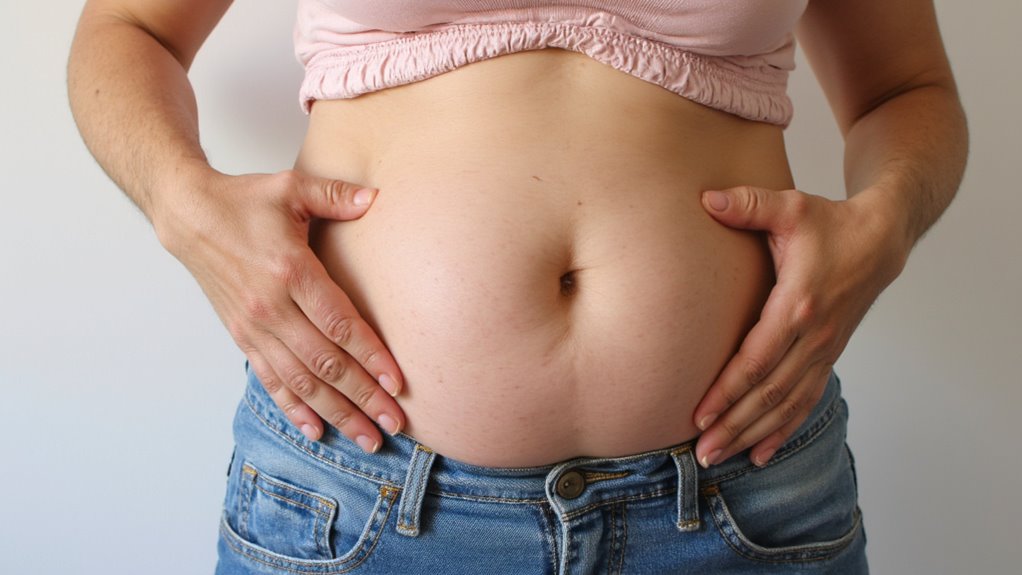
Your gut health operates as a hidden control center for your hormonal balance during perimenopause, creating a bidirectional relationship that considerably impacts where your body stores fat.
During this change, estrogen fluctuations disrupt your gut microbiota, potentially leading to increased visceral fat accumulation around your abdomen.
“The gut microbiome greatly influences estrogen metabolism, which is crucial for weight management,” explains Dr. Sarah Johnson, gastroenterologist.
The intricate dance between gut bacteria and hormones may be the key to addressing midlife weight changes.
When stress elevates cortisol levels, your gut barrier function weakens, further complicating hormone regulation.
To regain control, prioritize a balanced diet rich in fiber and probiotics, which can help restore gut health and potentially reduce perimenopause-related weight gain.
Incorporating elements of the Mediterranean diet, such as healthy fats and reduced sugar intake, can further support liver health and minimize abdominal obesity during perimenopause.
Medical Interventions and Supplements Worth Considering
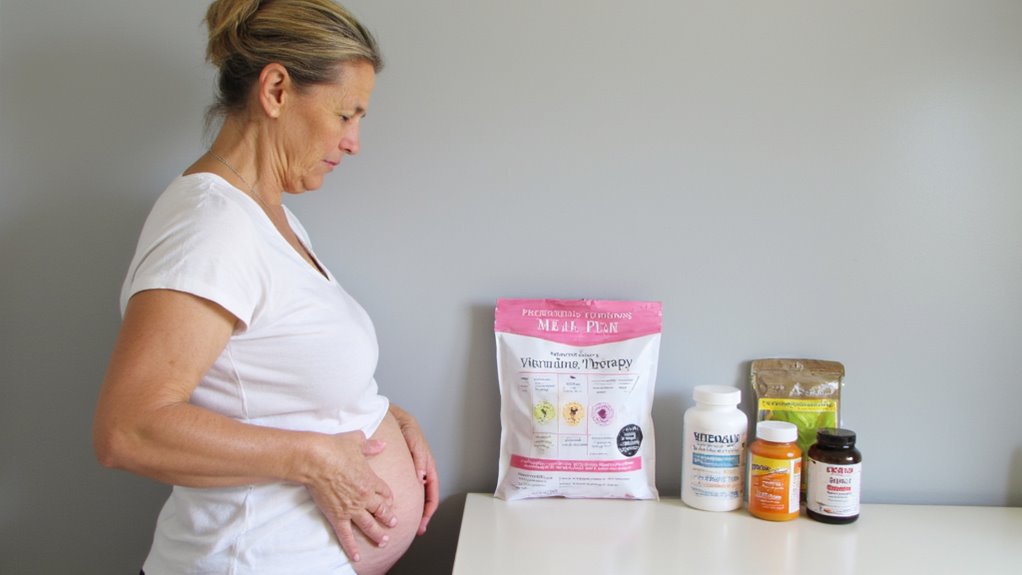
When considering medical approaches to address perimenopause-related belly fat, what options might provide meaningful relief beyond lifestyle changes alone?
While no single intervention provides a magic solution, several evidence-based options merit discussion with your healthcare provider, particularly if you’re experiencing significant hormonal disruptions affecting your weight and overall health.
- Hormone therapy may alleviate menopausal symptoms while potentially mitigating central weight gain, though it’s not prescribed primarily for weight management.
- Review your current medications with your doctor, as some can contribute to perimenopausal weight gain.
- Omega-3 and vitamin D supplements support hormonal balance but require professional guidance.
- Prescription weight loss medications might be appropriate for BMI >30 cases.
- Diet and exercise remain foundational regardless of which medical interventions you pursue.
Creating a Sustainable Approach to Managing Midlife Weight Changes
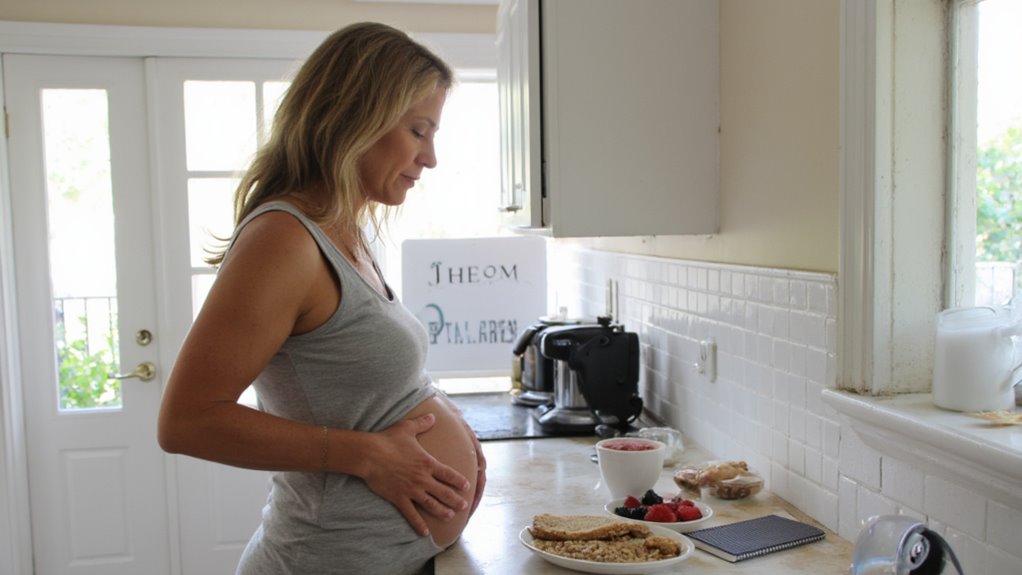
Sustainable management of midlife weight changes requires a multifaceted approach that acknowledges the biological reality of perimenopause rather than fighting against it.
Your body’s hormonal fluctuations demand attention to five key pillars: a balanced diet rich in whole foods that stabilizes blood sugar; regular physical activity combining cardio and strength training to preserve muscle mass; prioritizing quality sleep (7-9 hours) to regulate appetite hormones; implementing stress management techniques like mindfulness to lower cortisol levels; and patience with your changing body.
As Dr. Samantha Lee notes, “Women who adapt to their new metabolic environment rather than battling it experience more successful weight management outcomes.”
Frequent Questions and Answers on Belly Fat During Perimenopause
How to Lose Belly Fat Due to Perimenopause?
Picture your body transforming! You’ll need consistent exercise routines, strategic diet changes, stress management techniques, and lifestyle adjustments. Focus on hormonal balance through quality sleep and you’ll reclaim your freedom.
Why Is My Stomach Getting Bigger During Perimenopause?
Your stomach’s growing because hormonal changes slow metabolism and redistribute fat. Weight gain during perimenopause combines with lifestyle factors, requiring diet modifications, exercise routines and stress management to regain control.
What Does a Perimenopause Belly Look Like?
Your perimenopause belly typically shows weight redistribution around your midsection. Hormonal changes shift your body shape, while stress impact and lifestyle factors can worsen it. Dietary adjustments can help manage these changes effectively.
How Do I Get Rid of Hormonal Belly Fat?
You’ll conquer hormonal belly fat through smart dietary changes, consistent exercise routines, effective stress management, and lifestyle adjustments that promote hormonal balance. Don’t forget sleep improvement—it’s your hidden advantage for reclaiming your waistline.