



This content is for informational purposes only, not medical advice, and may include affiliate links. We may earn a commission at no extra cost to you. See our Disclaimer for details.
Just as you’re contemplating your weight loss journey, scientists have uncovered a promising connection between probiotics and stubborn belly fat. You’ve likely heard about gut health, but you may not realize that specific bacterial strains, particularly Lactobacillus gasseri, can considerably reduce abdominal fat storage by altering how your body processes calories. Dr. Michael Zemel, nutrition researcher, notes, “The microbiome’s influence on metabolism isn’t just theoretical—it’s measurable and modifiable.” The question remains: could rebalancing your gut bacteria be the missing piece in your weight management puzzle?
In a Nutshell
- Lactobacillus gasseri reduces abdominal fat by 8.5% in 12 weeks according to clinical studies.
- The balance of Firmicutes and Bacteroidetes bacteria directly influences body fat distribution and metabolism.
- Probiotics work by regulating appetite hormones and improving fat metabolism through butyrate production.
- Meaningful belly fat reduction typically requires 8-12 weeks of consistent probiotic supplementation.
- Combining probiotic supplements (1-50 billion CFUs) with fermented foods enhances weight loss results.
The Science Behind Gut Bacteria and Weight Management

While the connection between gut health and weight management may seem counterintuitive, emerging research has established a compelling relationship between your microbiome composition and belly fat accumulation.
A healthy gut microbiome, particularly with balanced Firmicutes and Bacteroidetes bacteria, directly influences your body weight and fat distribution patterns. Research shows that individuals with diverse gut bacteria typically maintain healthier weights than those with limited diversity.
Specific probiotics, especially Lactobacillus gasseri, have demonstrated remarkable efficacy, reducing abdominal fat by 8.5% over just 12 weeks.
These beneficial bacteria enhance production of short-chain fatty acids, which contribute to metabolic health improvements and significant waist circumference reductions, with 80% of studies confirming this outcome.
Understanding the Firmicutes/Bacteroidetes Ratio in Obesity
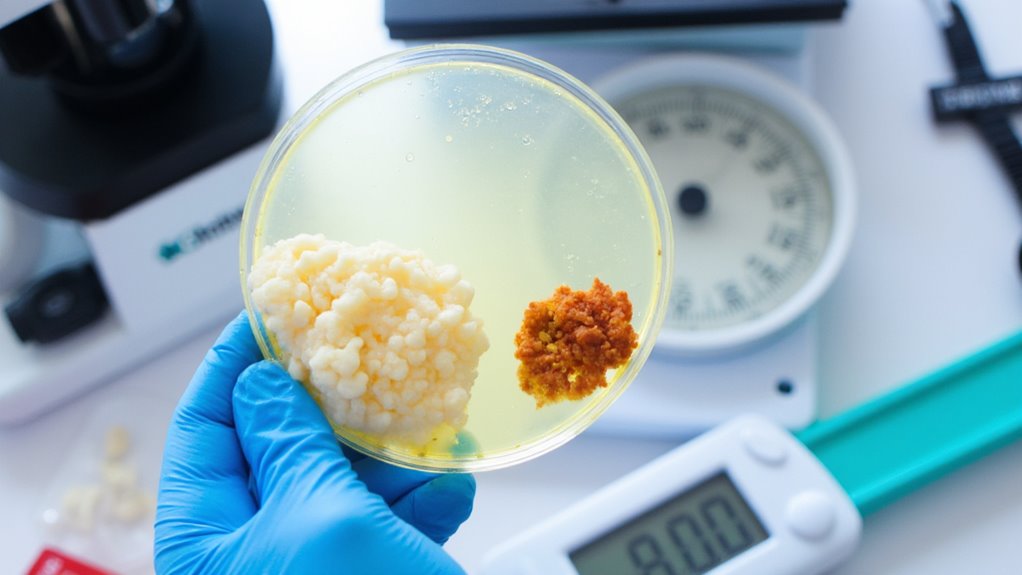
At the core of your body’s metabolic functioning lies a critical microbial balancing act known as the Firmicutes/Bacteroidetes ratio, which researchers have identified as a fundamental marker in obesity development.
When you’re carrying excess weight, particularly around your midsection, your gut microbiome likely contains disproportionately high Firmicutes levels, which extract energy more efficiently from your food.
“The reduced diversity in gut bacteria observed in obesity creates a perfect storm for metabolic dysfunction,” explains Dr. Sarah Bennett, gastroenterologist.
“Fortunately, targeted probiotic supplementation can help restore balance to this ratio, potentially reducing body fat and improving metabolic health outcomes through optimized microbial composition.”
How Probiotics Influence Fat Storage and Metabolism

The path to effective belly fat reduction extends beyond simply correcting the Firmicutes/Bacteroidetes ratio to encompass the complex mechanisms through which probiotics actively reshape your body’s fat management systems.
Research shows that Lactobacillus gasseri can reduce abdominal fat by 8.5% over just 12 weeks, directly influencing how your body stores fat. Similarly, Bifidobacterium lactis B420 demonstrates a 4% reduction in body fat mass over six months.
Specific probiotic strains like L. gasseri and B. lactis B420 have demonstrated measurable reductions in belly fat within months of regular use.
These beneficial bacteria enhance your production of short-chain fatty acids, particularly butyrate, which improves fat metabolism while reducing storage.
They’re also powerful appetite regulators, increasing hormones like GLP-1 and PYY that control hunger signals.
Key Probiotic Strains for Targeting Abdominal Fat

Scientific research has identified several standout probiotic strains that specifically target stubborn abdominal fat, providing evidence-based options for those struggling with weight management.
Lactobacillus gasseri demonstrates remarkable efficacy, reducing abdominal fat by 8.5% over just 12 weeks, while Bifidobacterium lactis B420 delivers a 4% reduction in body fat mass over six months.
You’ll find Lactobacillus rhamnosus particularly effective for women, who lost twice as much weight compared to placebo groups.
Lactobacillus plantarum consistently shows positive effects on waist circumference through regular consumption.
These specific probiotic strains work by influencing appetite-regulating hormones and optimizing fat metabolism, offering you research-backed solutions for addressing belly fat concerns.
Clinical Evidence: Do Probiotics Actually Reduce Belly Fat?

Compelling evidence from numerous clinical trials confirms that probiotics do indeed reduce belly fat, with research consistently demonstrating significant reductions in abdominal adiposity across diverse populations.
| Probiotic Strain | Duration | Results |
|---|---|---|
| L. gasseri | 12 weeks | 8.5% abdominal fat reduction |
| B. lactis B420 | 6 months | 4% body fat mass decrease |
| L. rhamnosus CGMCC1.3724 | Variable | Women lost twice the weight vs placebo |
| Multiple strains | Various | 80% of studies show waist reduction |
| Various formulations | Long-term | Confirmed by systematic reviews |
You’ll find strong metabolic mechanisms at work as these microorganisms help plunge into your gut ecology, potentially freeing you from stubborn belly fat when incorporated into comprehensive weight management approaches.
Lactobacillus Gasseri: The Belly Fat Buster
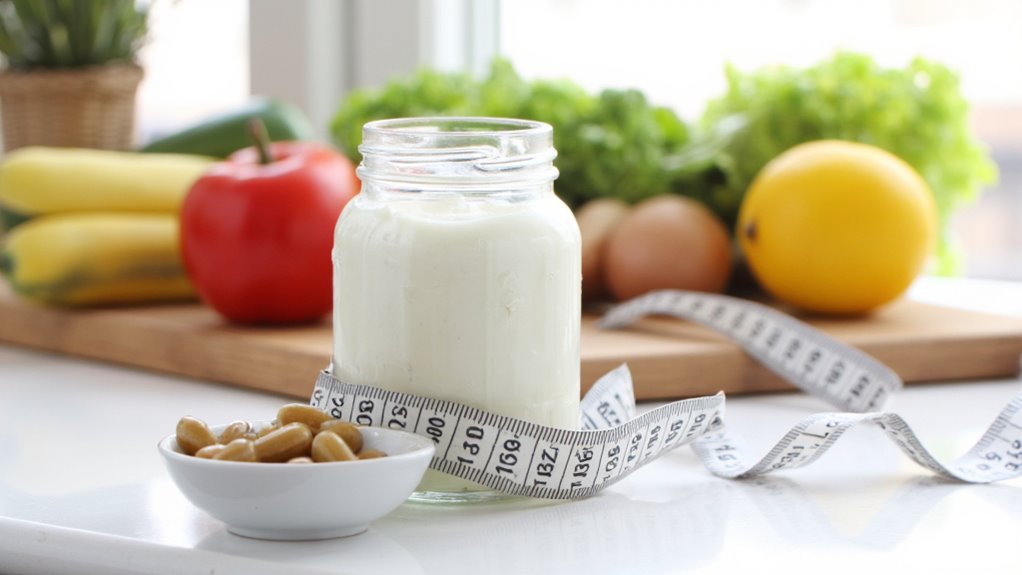
Among all probiotic contenders in the weight management arena, Lactobacillus gasseri stands out as a particularly potent ally against stubborn abdominal fat, earning its reputation as the “belly fat buster” through consistent clinical validation.
Research demonstrates it reduces abdominal fat by approximately 8.5% over 12 weeks, with significant decreases in waist circumference. You’ll find this strain works by inhibiting dietary fat absorption while promoting short-chain fatty acids that enhance metabolism.
“The dual action of Lactobacillus gasseri on fat storage and improved gut health creates a powerful mechanism for addressing obesity-related inflammation,” explains researchers.
The drop in estrogen during menopause leads to a shift in fat storage from the hips and thighs to the abdomen, making probiotics like Lactobacillus gasseri potentially beneficial for women experiencing hormonal belly fat.
For ideal results, incorporate this probiotic regularly through supplements or fermented foods.
Bifidobacterium Strains and Their Impact on Waist Circumference

While Lactobacillus gasseri dominates many probiotic discussions, Bifidobacterium strains deserve considerable attention for their demonstrated effects on waist circumference and overall body composition.
Clinical research shows Bifidobacterium animalis subsp. lactis can considerably reduce your belly fat by influencing appetite-regulating hormones, which naturally decreases calorie intake and abdominal fat accumulation.
The visceral fat, often stubborn and resistant to loss, can be effectively targeted through these probiotic interventions, leading to a decrease in abdominal fat.
| Bifidobacterium Benefits | Research Findings | Practical Impact |
|---|---|---|
| Reduced waist size | 4% body fat mass reduction | Visible slimming |
| Improved metabolism | Enhanced metabolic parameters | Better weight management |
| Optimized gut health | Balanced intestinal microbiome | Reduced inflammation |
“Bifidobacterium interventions consistently demonstrate improvements in waist circumference among overweight individuals,” notes research from systematic reviews examining probiotic efficacy.
Probiotic Foods vs. Supplements for Weight Management

When comparing probiotic strategies for reducing belly fat, the distinction between food sources and supplements presents significant implications for your weight management journey.
Natural probiotic foods like yogurt with Lactobacillus strains offer beneficial bacteria that enhance your gut health while potentially reducing belly fat.
However, supplements deliver concentrated doses (1-50 billion CFUs), which research shows can accelerate weight loss compared to placebos, as confirmed by meta-analysis data.
You’ll achieve peak fat reduction by combining both approaches—fermented vegetables, kefir, and yogurt for dietary diversity, alongside targeted supplements for potency.
This comprehensive strategy supports your healthy microbiome, creating a foundation for sustainable weight management results.
Creating a Comprehensive Strategy: Probiotics, Diet, and Exercise

Achieving significant reductions in belly fat requires a synchronized approach that integrates probiotics, nutrition, and physical activity into your daily regimen.
Research indicates that strains like Lactobacillus gasseri work effectively when combined with fiber-rich foods that nourish beneficial gut bacteria. “The synergistic relationship between probiotics, diet, and exercise creates a metabolic environment conducive to belly fat reduction,” explains Dr. Angela Chen, gastroenterologist.
You’ll need consistency—taking probiotics daily for 8-12 weeks while maintaining a healthy diet and regular exercise schedule. Incorporate stress management techniques to prevent cortisol-related weight gain, as elevated stress hormones can counteract your gut health improvements.
It’s essential to maintain quality sleep patterns, as lack of sleep can elevate cortisol levels and contribute to belly fat, undermining the effectiveness of your efforts.
Potential Side Effects and Considerations When Using Probiotics
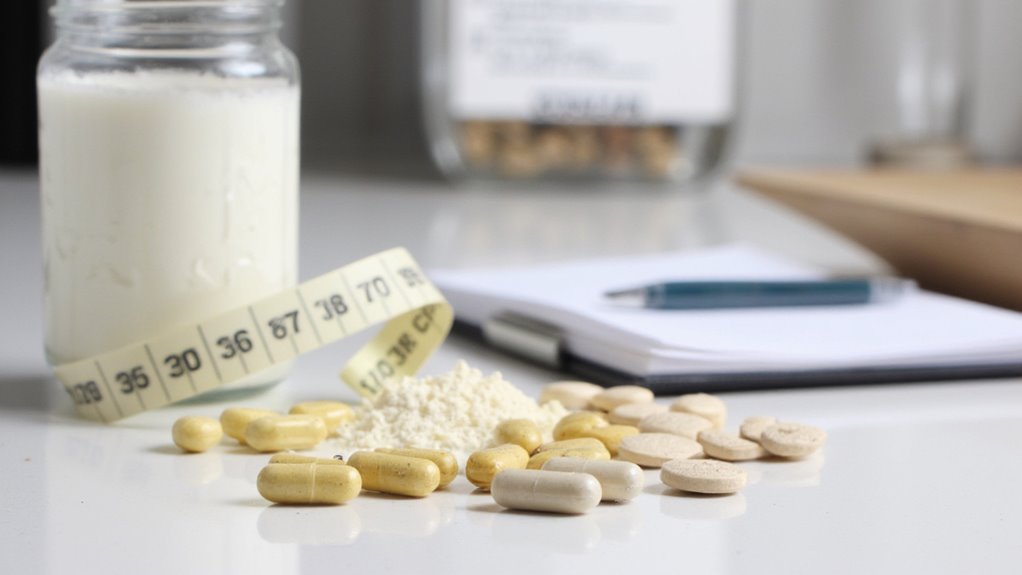
Despite the promising benefits of probiotics for reducing belly fat, users should be aware of potential adverse effects that may accompany their use. Your body’s response to these supplements can vary greatly, with some individuals experiencing gastrointestinal symptoms like bloating or diarrhea when beginning supplementation.
- Immunocompromised individuals should consult a healthcare professional before starting probiotics, as rare systemic infections may occur in vulnerable populations.
- Certain probiotic strains might cause metabolic alterations that affect weight regulation differently than expected.
- Financial implications deserve consideration, as not all commercially available probiotics contain effective strains for belly fat reduction, potentially resulting in wasted resources.
How Long Does It Take to See Results With Probiotic Treatment?

Many patients enthusiastically anticipate visible changes when adding probiotics to their weight management routine, but understanding realistic timelines can help prevent disappointment.
Clinical trials show that probiotics typically deliver meaningful results within 8 to 12 weeks of consistent daily consumption. Research featuring Lactobacillus gasseri demonstrated an impressive 8.5% reduction in belly fat over a 12-week treatment period, while Bifidobacterium lactis B420 yielded a 4% decrease in body fat mass after six months.
You’ll likely notice changes in your waist circumference first, with 80% of studies reporting this outcome.
Prebiotic and Probiotic Combinations for Enhanced Fat Loss

While probiotics alone offer considerable benefits for reducing belly fat, combining them with prebiotics creates a powerful synergistic effect that maximizes your weight loss potential.
Research demonstrates that this combination notably improves body fat percentage reduction compared to using probiotics in isolation.
Three ways prebiotic-probiotic combinations target belly fat:
- Prebiotics like inulin feed beneficial gut bacteria, enhancing Lactobacillus gasseri’s ability to reduce abdominal fat deposits.
- The combination optimizes overall gut diversity, regulating metabolism and appetite control mechanisms.
- Prebiotic-rich foods such as garlic and onions, when paired with probiotic supplements, create an intestinal environment that promotes sustained fat loss.
Beyond Weight Loss: Additional Health Benefits of Probiotics

Probiotics extend far beyond mere weight management to offer a comprehensive suite of health advantages that support your entire body.
They’re powerful allies for your digestive system, enhancing nutrient absorption and alleviating gastrointestinal disorders like constipation and diarrhea.
Research indicates probiotics’ remarkable impact on mental health through the gut-brain axis, potentially reducing depression and anxiety symptoms.
You’ll also benefit from strengthened immune function as these beneficial bacteria help combat inflammation and infections.
Additionally, probiotics support heart health by regulating cholesterol levels and blood pressure.
“The microbiome’s influence spans multiple body systems,” explains Dr. Michael Ruscio, “making probiotics a holistic approach to wellness, not just weight loss.”
Frequent Questions and Answers on Probiotics for Belly Fat
What Is the Best Probiotic for Losing Belly Fat?
Like Sarah who lost 15 pounds in 3 months, you’ll see best results with Lactobacillus gasseri. This probiotic strain boosts gut health and metabolic rate while you maintain diet balance and your exercise routine.
Do Probiotics Help With a Flat Stomach?
Yes, certain probiotic strains support your flat stomach goals by improving gut health, reducing bloating, and enhancing metabolism. Pair fermented foods with lifestyle changes for ideal microbiome diversity and sustainable weight management.
What Shrinks Belly Fat the Fastest?
Beyond quick-fix promises lies truth: You’ll shrink belly fat fastest through comprehensive dietary changes, intense exercise routines, stress management, proper hydration, quality sleep, controlled portions, and strategic meal timing. Freedom awaits your commitment.
How to Lose Belly Fat in 2 Weeks?
Create a caloric deficit through portion control and metabolism-boosting exercise routines. Prioritize fiber intake, healthy snacks, and proper hydration levels. Don’t neglect stress management, sleep quality, and strategic meal timing.