


This content is for informational purposes only, not medical advice, and may include affiliate links. We may earn a commission at no extra cost to you. See our Disclaimer for details.
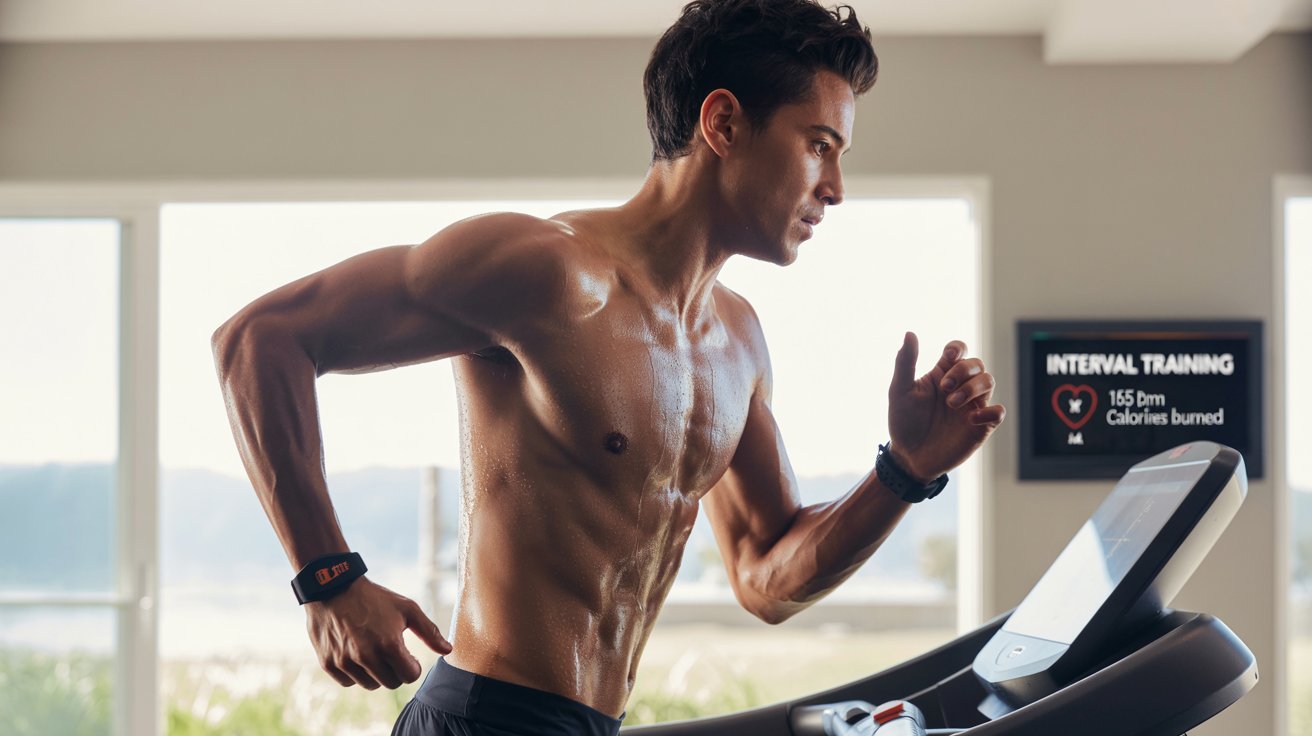
You’re likely wondering if those hours spent on the treadmill will actually shrink your waistline. Treadmills offer promising results for reducing belly fat—both the subcutaneous fat you can pinch and the dangerous visceral fat surrounding your organs—when used correctly. Research published in the Journal of Exercise Rehabilitation demonstrates that consistent treadmill exercise can decrease abdominal fat by 12-20% over 12 weeks, depending on intensity levels. “Treadmill workouts create the caloric deficit necessary for fat loss while engaging core stabilizing muscles,” explains Dr. Jennifer Kerns, obesity specialist. But which specific protocols maximize this effect?
In a Nutshell
- Treadmill workouts contribute to overall fat loss, which includes reduction of abdominal fat when combined with proper diet.
- Regular treadmill exercise creates a caloric deficit, with HIIT sessions burning 30% more calories than steady-state cardio.
- Setting incline to 1-3% engages core muscles and boosts calorie burn by up to 50%.
- A modest weight reduction of 5-10% through treadmill workouts can significantly improve cardiovascular health.
- Combining treadmill sessions with strength training and a 500-calorie daily deficit maximizes belly fat reduction.
Understanding Belly Fat and Its Health Implications
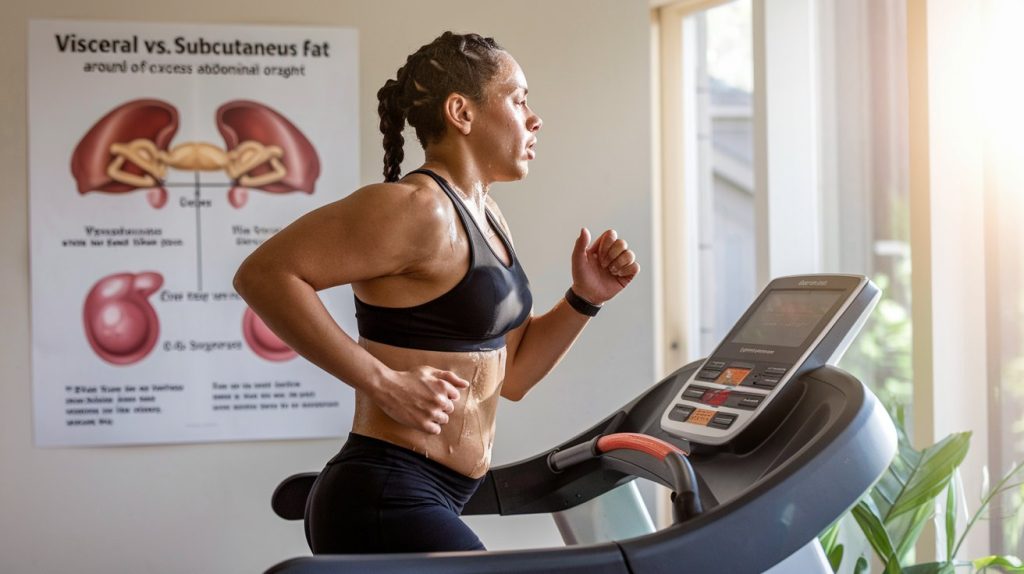
When examining the role of treadmill exercise in fat reduction, it’s essential first to understand what belly fat actually is and why it matters for your health.
Your abdominal fat consists of two distinct types: subcutaneous fat, which lies just beneath your skin, and visceral fat, which surrounds your internal organs. The latter poses remarkably greater health risks, including diabetes and cardiovascular disease.
Visceral belly fat surrounding your organs presents significantly higher health risks than subcutaneous fat lying under your skin.
Research shows that visceral fat triggers inflammation and insulin resistance, compromising your overall health. Accumulation of visceral fat triggers inflammatory pathways impacting liver metabolism and function, emphasizing the importance of managing this type of fat for overall health.
As indicated by clinical studies, even a modest 5-10% weight reduction through regular exercise can dramatically improve your cardiovascular health and reduce chronic disease risks, making calorie burn through consistent physical activity a crucial component of any belly fat reduction strategy.
The Science Behind Spot Reduction Myths
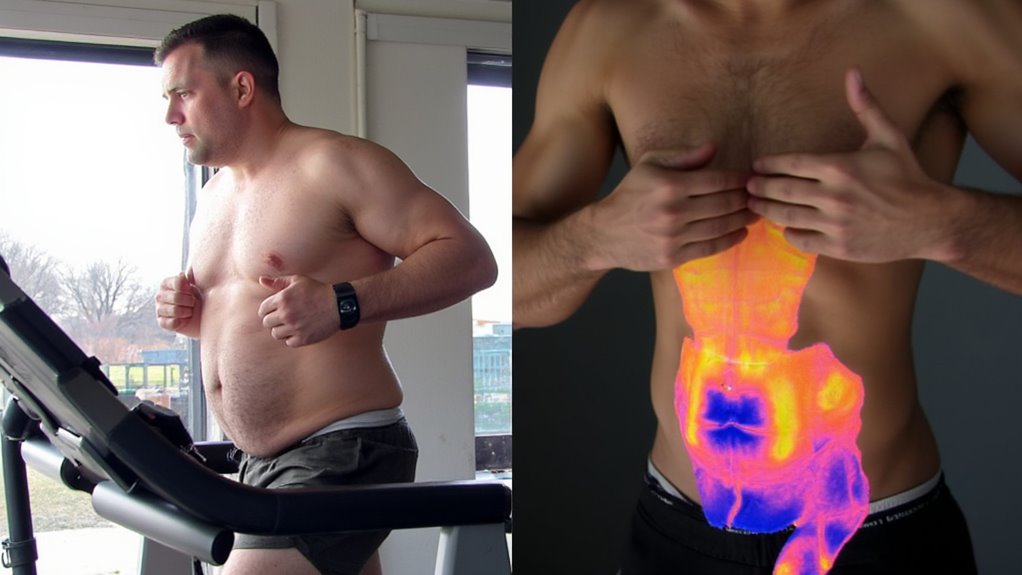
Many fitness enthusiasts pursuing a flatter stomach often fall prey to the alluring concept of spot reduction—the idea that you can selectively burn fat from your abdomen through targeted exercises.
Research definitively debunks this notion, confirming you can’t spot reduce belly fat through isolated movements like crunches or sit-ups.
Instead, decreasing overall body fat percentage through a caloric deficit is essential. The American Council on Exercise emphasizes that consistent cardiovascular exercise, such as treadmill workouts, contributes to total-body fat loss that eventually reveals toned abdominals.
Incorporating high-intensity interval training (HIIT) can enhance fat-burning efforts and boost metabolism, making it an effective component of a balanced fitness routine.
For best results, adopt a holistic approach combining regular aerobic exercise, strength training, and dietary modifications—the scientifically-validated path to reducing both subcutaneous and dangerous visceral fat.
How Treadmill Workouts Impact Overall Fat Loss
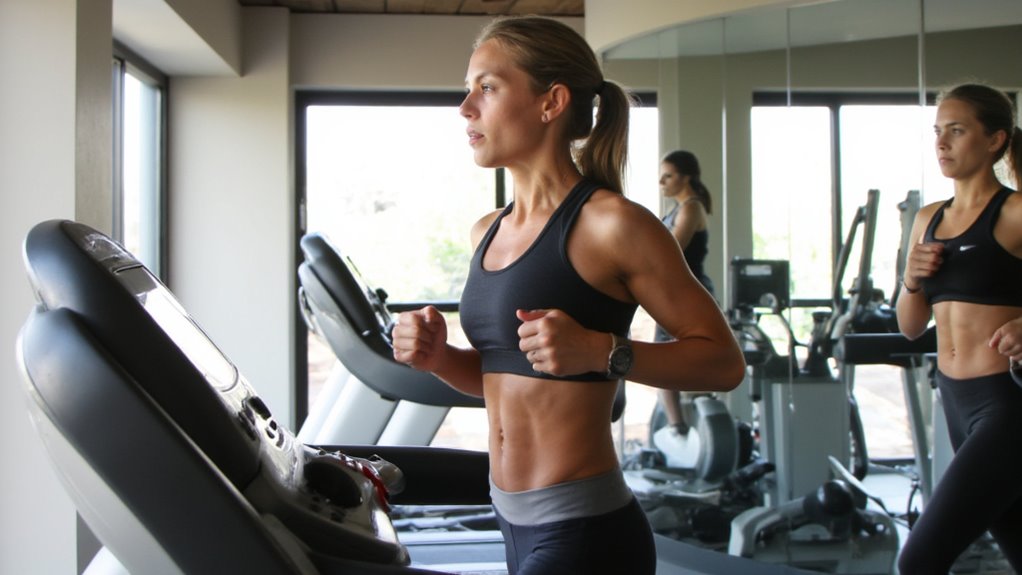
Treadmill workouts stand as one of the most effective exercise modalities for facilitating overall fat loss, which directly impacts abdominal adiposity reduction.
When you walk at a moderate-intensity pace of 4 mph for just 30 minutes, you’ll burn approximately 167 calories (for a 155-pound individual), creating the caloric deficit necessary for shedding stubborn belly fat.
Incorporating HIIT workouts on your treadmill amplifies these benefits, as the alternating sprint-recovery pattern elevates your metabolism long after exercise completion.
Research confirms that combining treadmill sessions with strength training can result in significant reductions, with participants losing an average of five pounds—much of it from the abdominal region.
For optimal results, complement treadmill workouts with a high-protein diet to elevate your metabolic rate and preserve muscle mass, which contributes to more effective fat loss.
Optimal Treadmill Settings for Maximum Fat Burning
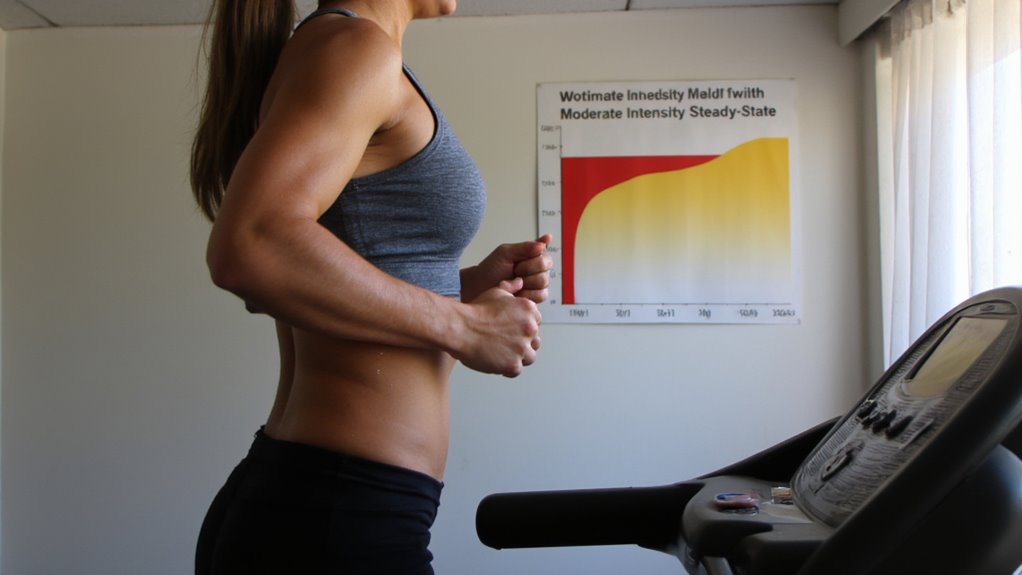
Achieving maximum fat-burning potential on your treadmill hinges directly on selecting the ideal settings for your workout sessions.
To effectively target belly fat, set your treadmill’s incline to 1-3%, which simulates outdoor terrain while engaging more core muscles and increasing calorie burn considerably. Incorporating HIGH-INTENSITY INTERVAL TRAINING by alternating between 30-second sprints and 1-3 minute recovery walks creates metabolic disruption that continues burning calories post-workout.
- Maintain moderate-intensity workouts at 4-5 mph to burn approximately 167-186 calories per half hour, establishing a consistent caloric deficit.
- Utilize built-in interval programs that automatically adjust speed and incline, preventing exercise adaptation.
- Systematically modify your settings every 2-3 weeks to overcome plateaus in your fat-burning progress.
Consistent lifestyle adjustments, including effective workouts and stress management, can lead to successful and sustained belly fat reduction over time.
HIIT Treadmill Protocols for Accelerated Results

While traditional cardio provides a variety of health benefits, HIIT treadmill protocols deliver substantially accelerated fat-burning results, particularly for stubborn belly fat. Research indicates these intense workouts burn approximately 30% more calories than steady-state exercises, making them remarkably efficient for fat loss.
| HIIT Treadmill Protocol | Benefits |
|---|---|
| 30s sprint/90s recovery | Burns 300+ calories in 20 minutes |
| Incline sprints (8-12%) | Targets abdominal muscle groups |
| Tabata (20s on/10s off) | Maximizes afterburn effect |
| Pyramid intervals | Prevents workout adaptation |
“The metabolic impact of HIIT extends well beyond the workout itself,” explains Dr. Martin Reynolds, exercise physiologist. “A properly structured treadmill routine with strategic intensity variations dramatically accelerates belly fat reduction.”
To further enhance the effectiveness of HIIT treadmill workouts, smart food selection plays a crucial role in supporting metabolic health and achieving faster results.
Creating a Progressive Treadmill Program for Belly Fat
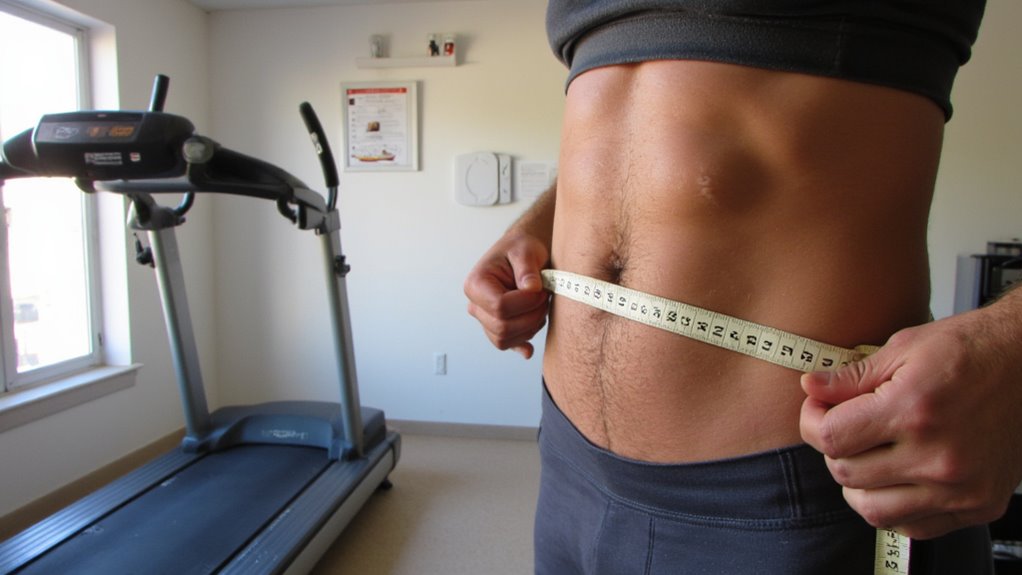
To develop an effective belly fat reduction strategy, a progressive treadmill program must systematically increase in intensity while respecting your current fitness capabilities.
Begin with 150 minutes of moderate-intensity aerobic exercise weekly, then gradually progress to 300 minutes as your endurance improves for maximum weight loss and belly fat reduction.
Incorporate HIIT routines (30-second sprints followed by 1-3 minute recovery walks) 1-2 times weekly to maximize caloric expenditure and target stubborn abdominal fat. Increase the incline by 1-2% every two weeks to engage more muscle groups and intensify calorie burn without extending workout duration.
Track your progress methodically—consistency is key to success, with 3-5 structured sessions weekly yielding measurable results. Remember that sweating serves as a cooling mechanism for thermoregulation and does not contribute to burning belly fat.
Combining Treadmill Exercise With Core Strengthening
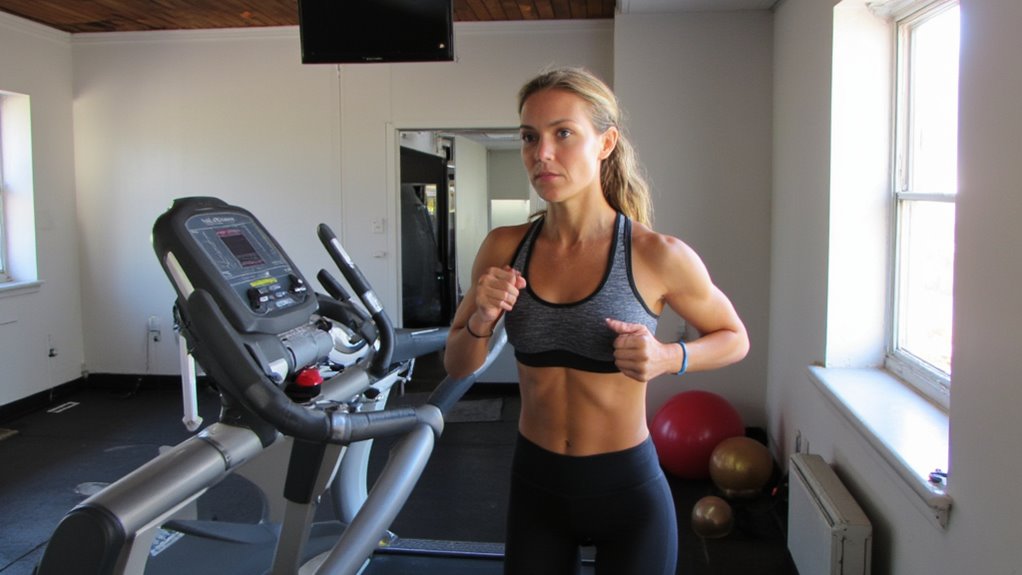
Progressive treadmill programs work more effectively when paired with targeted core exercises, creating a comprehensive approach to belly fat reduction.
Research consistently demonstrates that integrating core strengthening with aerobic workouts amplifies the metabolic effects, leading to enhanced calorie burn and improved fat loss outcomes, particularly in the abdominal region. Plank variations require minimal equipment while offering comprehensive abdominal toning.
| Exercise Combination | Benefits | Implementation Frequency |
|---|---|---|
| Treadmill + Planks | Improves posture, activates deep core | 2-3x weekly |
| Interval running + Crunches | Maximizes calorie burn, targets upper abs | 2x weekly |
| Incline walking + Side bends | Engages obliques, increases workout intensity | 2-3x weekly |
You’ll find that engaging your core while on the treadmill naturally improves your exercise form, further enhancing belly fat reduction results.
The Role of Incline Training in Abdominal Fat Reduction
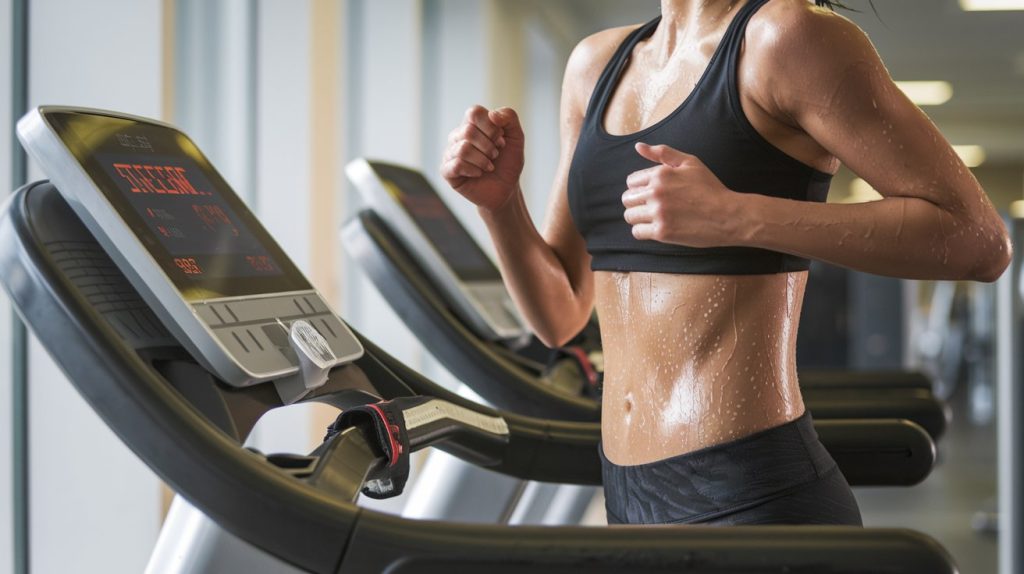
Adjusting the incline on your treadmill represents one of the most effective strategies for targeting stubborn belly fat, as it considerably increases workout intensity without requiring faster speeds.
Research shows incline training can boost calorie burn by up to 50% compared to flat-surface workouts, directly contributing to abdominal fat reduction. When you walk or run on an incline, your body engages more muscle groups, particularly in your core, enhancing both weight loss and muscle definition.
- Your body must work harder against gravity during incline training, accelerating metabolic rate and fat oxidation processes.
- Alternating between flat and inclined intervals prevents workout plateaus, maintaining consistent progress toward belly fat reduction.
- Even moderate inclines of 3-5% considerably increase muscle engagement and energy expenditure during treadmill workouts.
- Incorporating incline training with a high protein intake can further enhance satiety and target abdominal fat.
Caloric Expenditure on Treadmills vs. Other Cardio Equipment
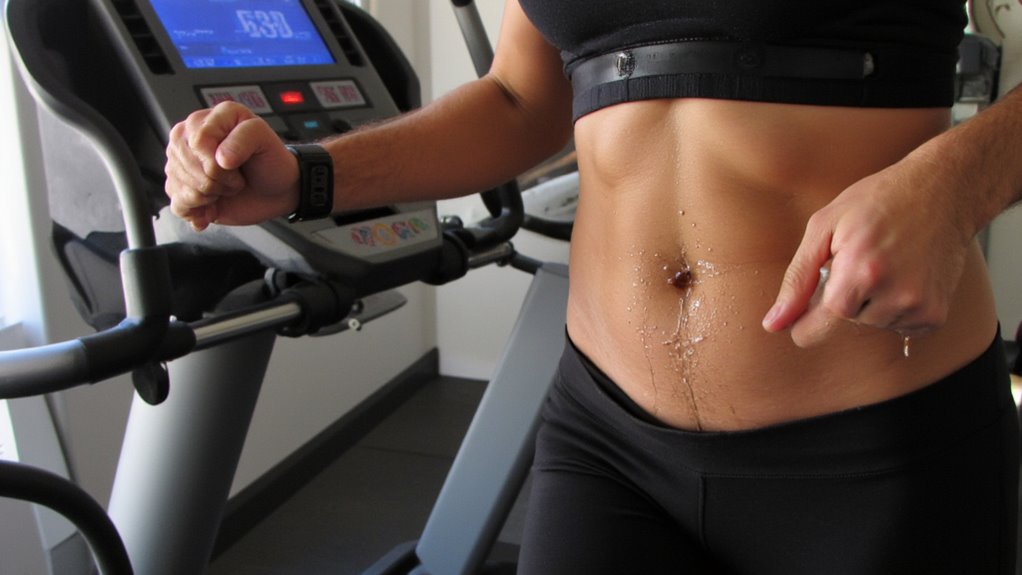
When comparing the effectiveness of treadmills to other cardio equipment for burning belly fat, caloric expenditure becomes a central factor in your weight loss equation.
Treadmills deliver impressive results, burning up to 600 calories hourly, while basic walking at 4 mph consumes 167 calories per half-hour for a 155-pound individual. Though ellipticals might burn 700 calories hourly through full-body engagement, you’ll often achieve higher caloric expenditure on treadmills through running or incline walking.
“Incorporating HIIT on your treadmill can dramatically enhance weight loss outcomes in shorter timeframes,” notes exercise physiologists, who recommend alternating between high-intensity sprints and recovery periods to maximize metabolic impact.
Additionally, incorporating a belly fat workout for beginners can help target visceral fat effectively, boosting overall fitness results.
Nutritional Strategies to Enhance Treadmill Fat Loss Results
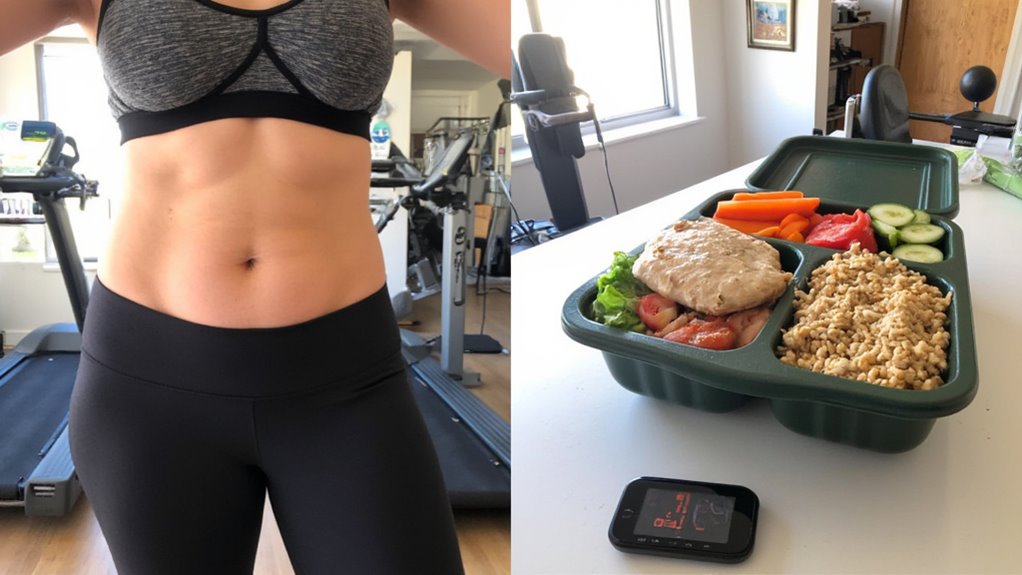
Maximizing your treadmill workouts for belly fat reduction requires strategic nutritional alignment, not just consistent exercise patterns.
Research demonstrates that combining a low-carb diet with your treadmill sessions accelerates fat loss by creating a metabolic environment that prioritizes fat utilization, especially when you maintain a caloric deficit of approximately 500 calories daily.
Prioritize protein-rich foods (lean meats, eggs, legumes) at each meal to preserve muscle mass while your treadmill workouts target belly fat. Incorporate healthy fats from avocados, nuts, and olive oil to improve hormone balance and enhance fat metabolism.
Time your carbohydrate intake around workouts to fuel performance without compromising fat-burning potential.
For additional support in managing weight, consider integrating apple cider vinegar into your routine, as it can suppress appetite and aid in reducing visceral fat when combined with diet and exercise.
Monitoring Progress Beyond the Scale
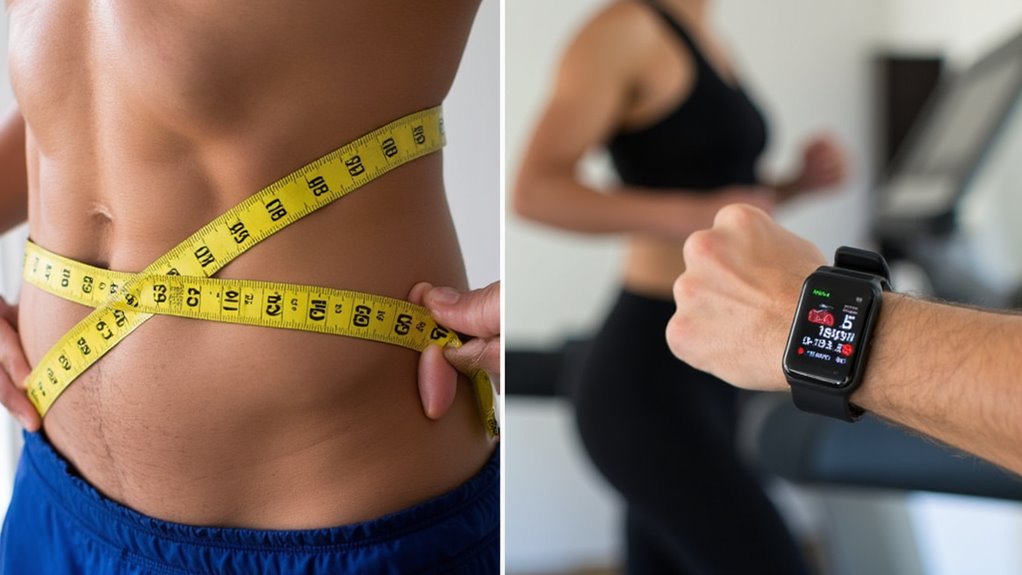
Many fitness enthusiasts fixate on scale weight, yet this single metric fails to capture the complete picture of your belly fat reduction journey.
Instead, track your waist circumference regularly, as diminishing inches directly correlates with decreasing visceral belly fat, which poses significant health risks.
Your waistline measurement reveals the critical visceral fat reduction that scale numbers often miss.
Maintain a workout journal or utilize fitness apps to document your treadmill sessions, recording duration, intensity, and cardiovascular endurance improvements.
Progress photos provide visual evidence of transformation that scale readings might miss, while noting how your clothing fits—particularly around the waistband—offers practical confirmation of fat loss.
These comprehensive monitoring methods provide more meaningful feedback than relying solely on weight measurements.
Common Treadmill Mistakes That Hinder Belly Fat Loss
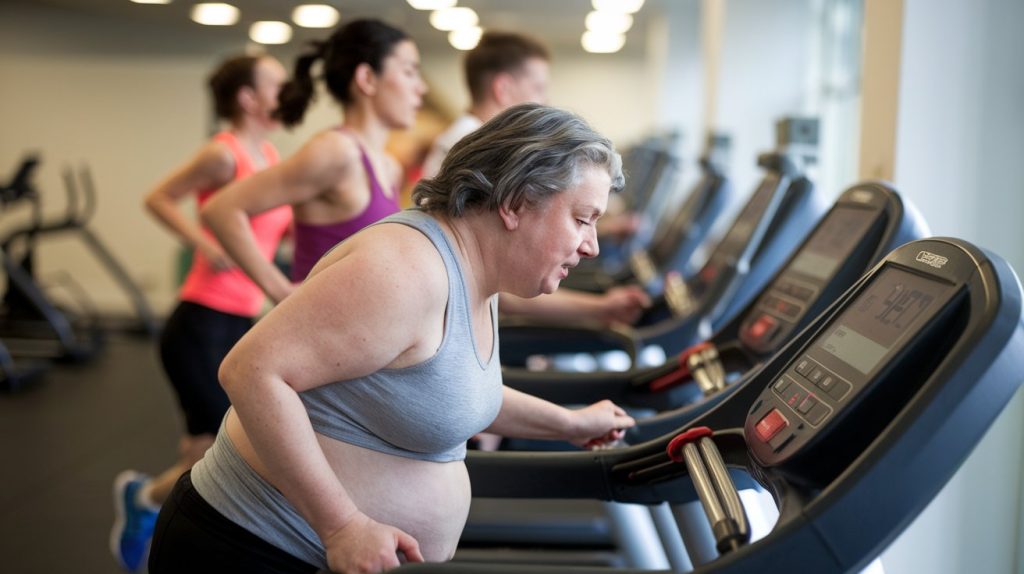
Despite your commitment to treadmill workouts, certain common mistakes could be sabotaging your belly fat reduction efforts. Many individuals fail to optimize their treadmill sessions by remaining in low-intensity zones, which burns minimal calories and slows weight loss progress.
As per fitness experts, combining proper technique with dietary awareness is essential to lose belly fat effectively.
- Neglecting to increase the incline, which activates more muscle groups and greatly enhances caloric expenditure
- Relying exclusively on steady-state cardio instead of incorporating HIIT, which accelerates fat metabolism
- Overemphasizing exercise while undervaluing the critical role of a healthy diet and strength training in reducing abdominal adiposity
Adapting Treadmill Workouts for Different Fitness Levels
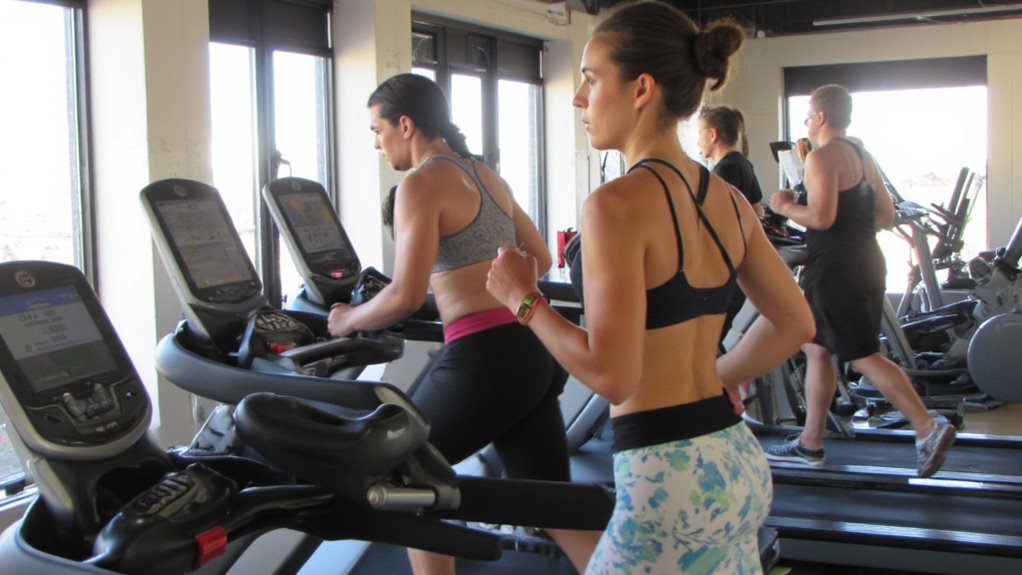
While the journey to reduce belly fat requires consistency on the treadmill, your specific workout strategy should align with your current fitness capabilities for best results.
As a beginner, start with 20-30 minute walks at a moderate pace (3-4 mph), gradually increasing duration to meet the recommended 150 minutes weekly of aerobic activity.
Intermediate users should incorporate interval training—alternating between jogging and walking—to maximize calorie burning efficiency.
Advanced fitness enthusiasts can implement HIIT protocols, such as 30-second sprints followed by recovery periods, which greatly amplifies weight loss potential.
Long-Term Sustainability of Treadmill Training
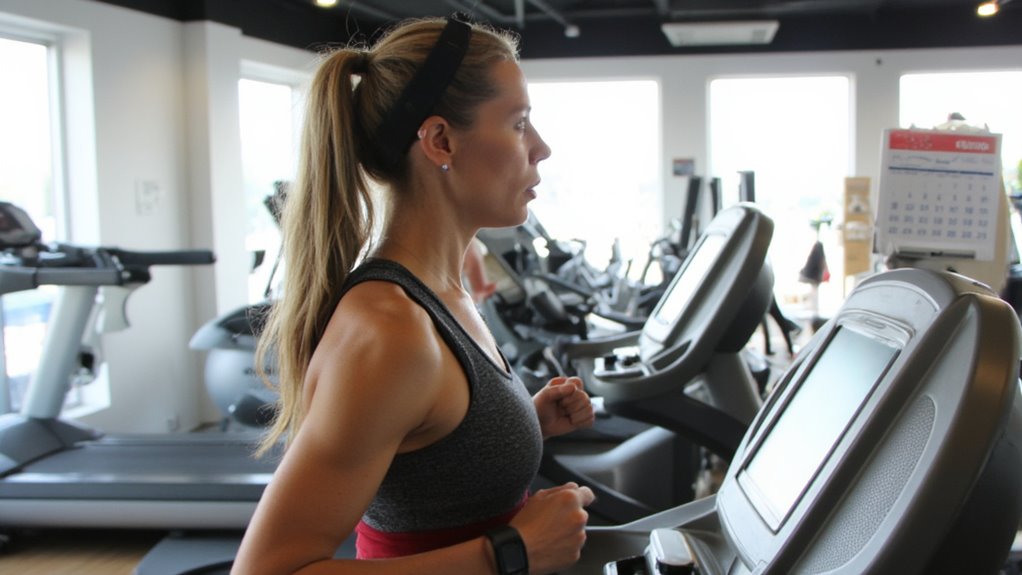
For long-term success in reducing belly fat, your treadmill regimen must evolve beyond initial enthusiasm into a sustainable practice that withstands the test of time. Achieving a consistent calorie deficit through moderate-intensity exercise contributes considerably to cardiovascular health while promoting weight loss and belly fat reduction.
Sustainable treadmill habits create lasting belly fat reduction through consistent, moderate-intensity calorie deficits.
Research indicates that maintaining 150 minutes of weekly treadmill workouts, combined with strength training, delivers ideal results for long-term sustainability.
- Alternate between walking sessions (moderate-intensity) and HIIT workouts to prevent adaptation and maintain engagement
- Gradually increase incline and speed parameters as your fitness improves to overcome plateaus
- Celebrate small victories—even a 5% reduction in body weight yields meaningful health improvements
Research-Backed Treadmill Workout Plans for Targeting Visceral Fat
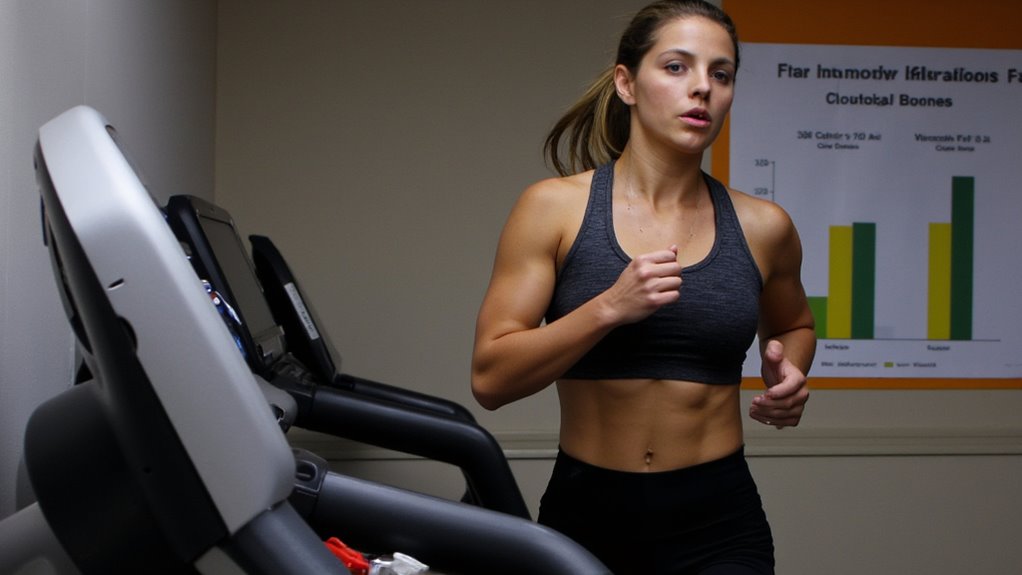
Scientific research on visceral fat reduction has identified several treadmill workout protocols that deliver measurable results when implemented consistently. You’ll find that incorporating High-Intensity Interval Training (HIIT) into your regimen substantially increases calorie burn, with studies showing up to 5% reduction in visceral fat after just 12 weeks of regular training.
| Workout Type | Duration | Target Heart Rate |
|---|---|---|
| HIIT | 20-30 min | 80-90% maximum |
| Incline Walking | 40-60 min | 65-75% maximum |
| Steady-State | 30-60 min | 60-70% maximum |
Incline walking engages more muscle groups, enhancing fat mobilization while remaining joint-friendly—particularly beneficial if you’re just beginning your belly fat reduction journey.
Frequent Questions and Answers
How Do You Lose Belly Fat on a Treadmill?
Maximize your treadmill workouts with interval training to boost calorie burning. Alternate between sprints and recovery walks 3-5 times weekly. You’ll experience fat loss and cardio benefits through this consistent exercise routine.
Is 30 Minutes on the Treadmill Enough?
Walking instead of running? Thirty minutes on the treadmill can be enough if you’re maintaining higher intensity, elevating your heart rate. For ideal fat burning, consider exercise variety and adjust workout duration based on your fitness goals.
What Exercise Burns the Most Belly Fat?
High intensity workouts like HIIT boost your metabolism most effectively. Combine interval training, core strengthening exercises, and both aerobic and anaerobic activities. Remember, nutrition’s importance can’t be overstated for burning belly fat.
Can I Get a Flat Stomach by Walking on a Treadmill?
Picture yourself shedding layers of fat with each step. You can flatten your stomach through consistent treadmill workouts, especially when you vary walking speed and extend workout duration for maximum cardio benefits and fat loss.